 Choosing the Right Rollator Walker: A Complete Guide for Seniors and Caregivers
Jun 18, 2026
Choosing the Right Rollator Walker: A Complete Guide for Seniors and Caregivers
A rollator walker is more than just a mobility aid — it is a tool that restores independence, confidence, and freedom of movement. Whether you are a senior looking to stay active, a caregiver searching for the right equipment, or someone recovering from an injury, choosing the right rollator can make all the difference.
In this guide, we cover everything you need to know about rollator walkers, including types, features, sizing, and how to match a rollator to your specific needs.
What Is a Rollator Walker?
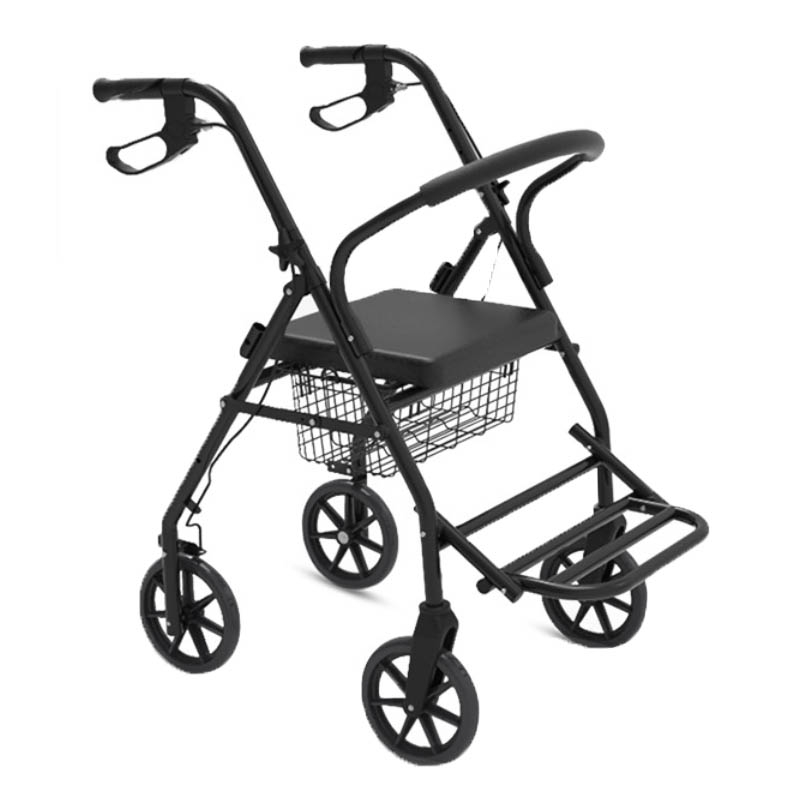
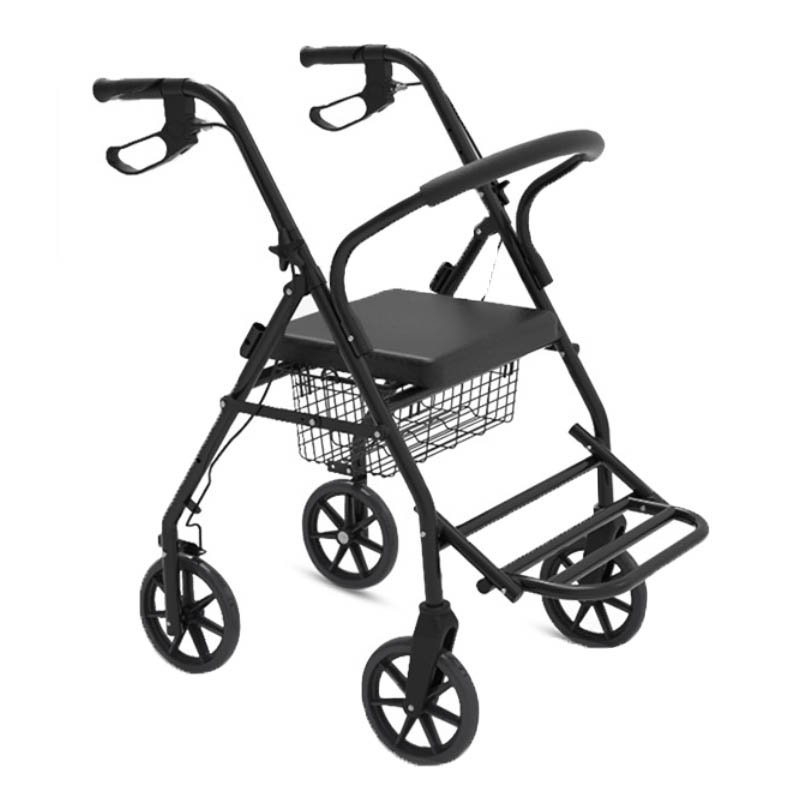
A rollator is a walking aid with four wheels, handlebars, hand brakes, and often a built-in seat. Unlike a standard walker that requires lifting, a rollator rolls smoothly forward, allowing the user to walk naturally. Most models also include a storage pouch or basket underneath the seat for carrying personal items.
Key Benefits of Using a Rollator
Natural walking motion — No need to lift the device; just push and walk
Built-in seating — Take a rest whenever needed, ideal for long outings
Increased stability — Four points of contact provide excellent balance support
Storage convenience — Carry belongings hands-free
Indoor and outdoor use — Suitable for sidewalks, parks, shopping malls, and home
Types of Rollator Walkers
1. Standard Rollator
The most common type, featuring 4 wheels, foam or ergonomic handles, loop brakes, and a padded seat. Great for everyday use.
2. Lightweight Rollator
Made from aluminum, these are significantly lighter (typically 10–15 lbs), making them easier to lift into a car or carry up stairs. A lightweight aluminum wheeled walkers for seniors is ideal for those who travel frequently.
3. Heavy-Duty Rollator
Designed for users weighing 350–500 lbs. These have reinforced frames, larger wheels, and wider seats for extra comfort and stability.
4. Rollator with Back Support
Some users need additional trunk support. A rollator walker with back support provides lumbar stability and is especially helpful for users with balance issues or recent surgery.
5. 3-Wheel Rollator
More maneuverable in tight spaces but less stable than 4-wheel models. Best for indoor use where space is limited.
How to Choose the Right Rollator
Step 1: Measure the User
Height — The handle height should align with the user's wrist when standing upright with arms relaxed. Most rollators adjust from 32 to 39 inches.
Seat height — The user should be able to sit with feet flat on the floor and knees at a 90° angle.
Seat width — Standard seats are 18–20 inches wide. Wider options are available for larger users.
Step 2: Consider Weight Capacity
Always choose a rollator that supports at least 20–30 lbs more than the user's weight. Standard models support 250–300 lbs, while heavy-duty options support 350–500 lbs.
Step 3: Choose the Right Wheels
Small wheels (6–7 inches) — Better for indoor use and smooth surfaces
Large wheels (8–10 inches) — Better for outdoor terrain, curbs, and uneven pavement
All-terrain wheels — Pneumatic or foam-filled tires for grass, gravel, and park paths
Step 4: Check Brakes and Safety Features
All rollators should have hand brakes that are easy to grip and operate. Many seniors benefit from brakes with an ergonomic or wrap design. Also check for:
Parking brakes (locking the rollator in place when seated)
Reflective elements for visibility
A stable frame that doesn't wobble
Step 5: Evaluate Portability
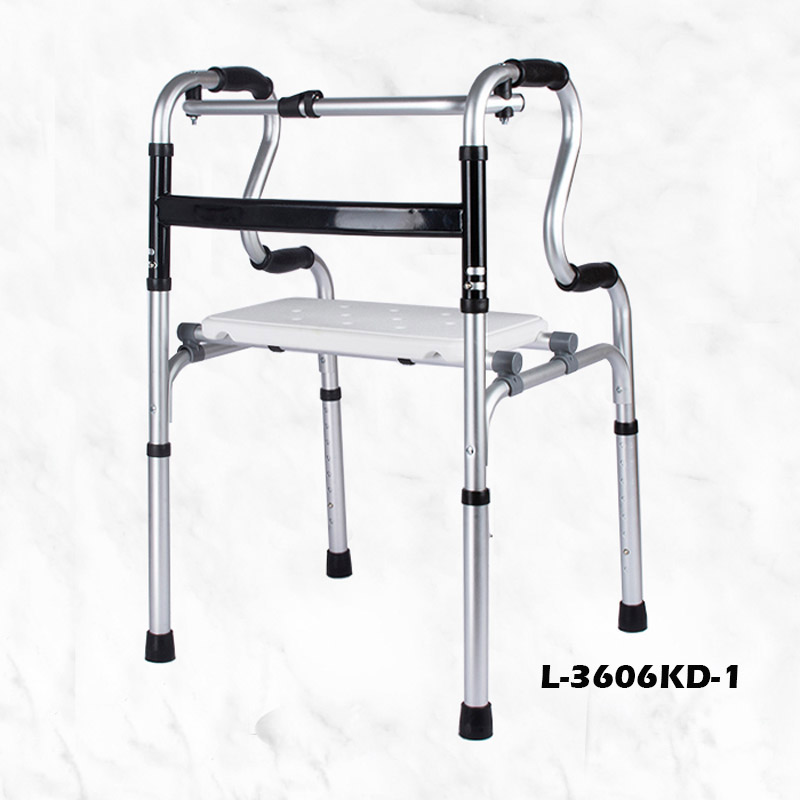
If the user needs to transport the rollator frequently, look for a folding frame. A health care portable wheeled walkers with seat that folds compactly is easier to fit in car trunks and store at home.
Top Uses for Rollators
Daily Walking and Exercise
A 4 wheeled walker with seat and brakes allows seniors to walk safely around the neighborhood, visit parks, and stay physically active without fear of falling.
Shopping and Errands
The built-in seat and storage basket make rollators ideal for trips to the grocery store or mall. Users can stop and rest anytime.
Travel and Vacations
A lightweight folding four wheeled walker rollator can be taken on airplanes, in RVs, or on road trips. They fold flat for easy storage.
Post-Surgery Recovery
After hip or knee replacement surgery, a rollator provides the support needed during the early stages of walking rehabilitation.
Maintenance Tips
Check brake cables regularly for wear
Keep wheels clean and free of debris
Tighten screws and bolts every few weeks
Replace worn hand grips
Store indoors to prevent rust and weather damage
Conclusion
A rollator walker can dramatically improve quality of life for seniors and individuals with limited mobility. By considering the user's height, weight, typical terrain, and daily activities, you can find the perfect rollator that combines comfort, safety, and convenience.
Whether you need a lightweight model for travel or a heavy-duty rollator for daily use, choosing a high-quality rollator walker means investing in greater independence and peace of mind.
Read More
 English
 русский
 한국의
한국의





 IPv6 network supported


