The Complete Guide to Threshold Ramps: Safe Doorway Transitions for Wheelchairs, Walkers, and Seniors
A doorway threshold that rises even half an inch above the floor is easy to ignore — until a wheelchair front wheel catches on it, a walker leg snags, or an older adult loses balance while stepping over. For people with limited mobility, these small level changes between rooms and at building entrances are among the most common everyday obstacles in the home.
A threshold ramp solves the problem by creating a smooth, gradual transition between two floor levels. This guide explains what threshold ramps are, how to measure your doorway, and how to choose between fixed, modular, and portable designs so you can move through your home safely and independently.
HOT TOPICS
#ThresholdRamp
#WheelchairAccessibility
#DoorwaySafety
#HomeModification
#ElderlyMobility
1Why Doorway Thresholds Are a Hidden HazardHOT#DoorwayFallHazard
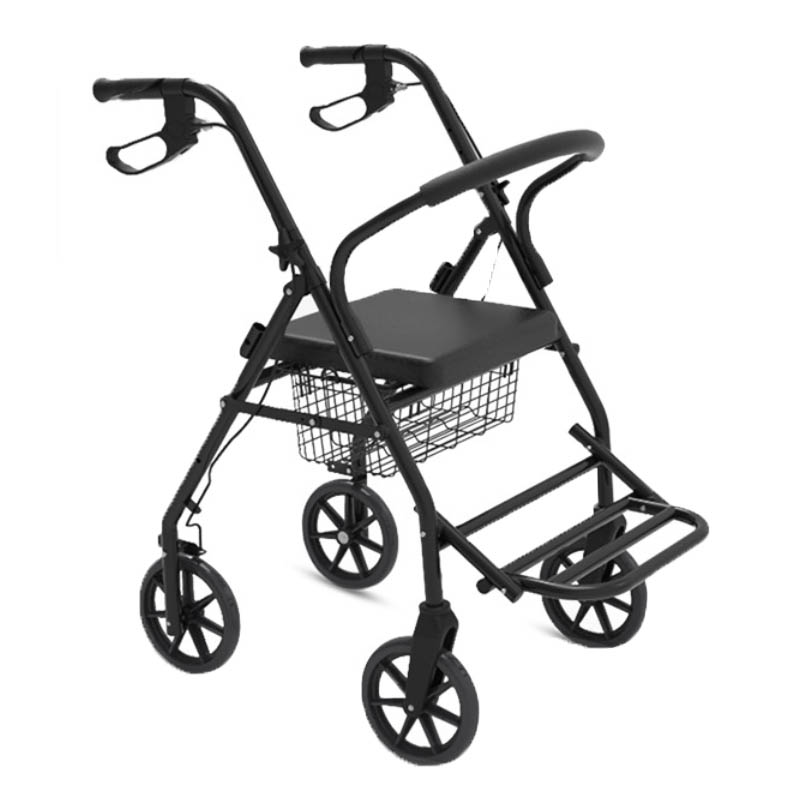
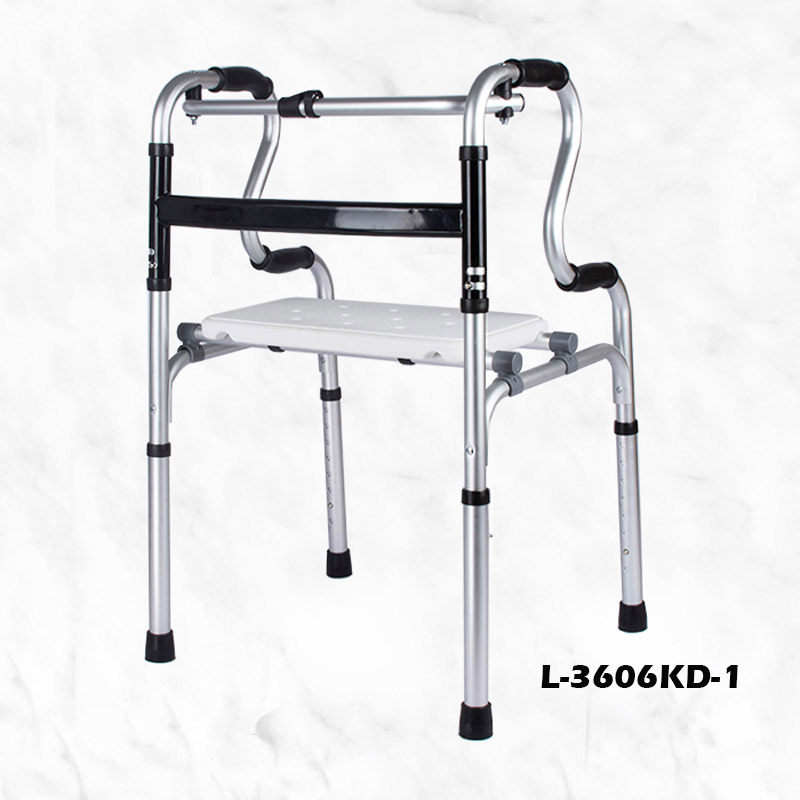
Most falls happen not on stairs but on flat ground during routine movements — and raised thresholds are a classic trip point. A threshold forces the user to lift the foot or wheel over an edge, which requires balance, strength, and precise foot placement. For wheelchair users, even a small lip can stop the chair completely or tip it forward; for walker or rollator users, the front legs can catch and cause a stumble. Users of wheelchairs, rollators, and lightweight aluminum wheeled walkers for seniors all face the same risk whenever a floor level changes.
Thresholds are found in many places:
- ●Exterior doors and sliding patio doors with weather sills
- ●Garage-to-house entryways and sunken living rooms
- ●Transitions between tile, wood, and carpeted floors
- ●Bathroom and laundry doorways where flooring heights change
- ●Balconies, porches, and mobile home or RV entrances
A properly selected aluminum threshold ramp removes the edge entirely, letting wheels roll and feet step without the sudden change in level.
2What Is a Threshold Ramp?HOT#ThresholdRampBasics
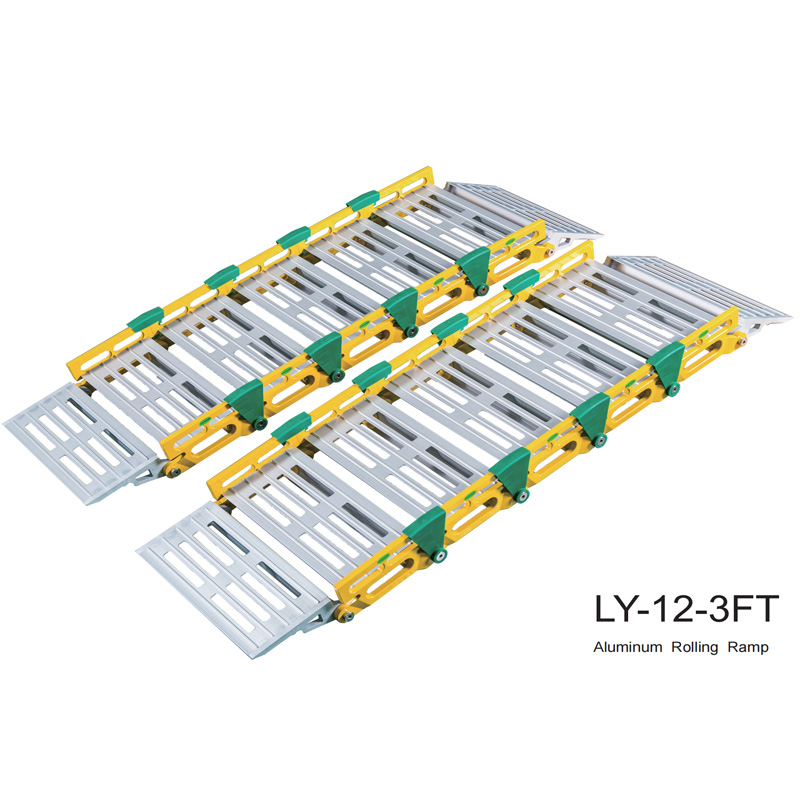
A threshold ramp is a low-rise ramp designed for small height differences — typically from about half an inch up to two or three inches. Unlike a full wheelchair ramp, which may be several feet long to reach a raised entrance, a threshold ramp is compact enough to fit inside a doorway or across a single step while still providing a safe, gentle slope. While portable mobility aluminum ramps for accessibility are sized for taller steps and vehicle access, threshold ramps are made for the low rises found at doorways.
These ramps support not only wheelchairs but also walkers, rollators, mobility scooters, and people who simply find high thresholds difficult to step over. Many models feature beveled edges on both ends so there is no new lip to trip on, and a non-slip surface so the ramp stays safe when wet.
3Measure Your Doorway FirstHOT#RampSizeCalculator
Rise height. Use a ruler or tape measure to find the vertical difference between the lower floor and the top of the threshold. This determines the minimum ramp length you need.
Width. Measure the doorway or path opening. The ramp should be at least as wide as the user's wheel track or the walker's leg span — and ideally wide enough for the whole doorway so the user does not have to aim precisely.
Slope. The gentler the slope, the easier and safer the ramp is to use.
Quick rule: aim for a rise-to-length ratio of about 1:12 — for every inch of rise, allow about 12 inches (one foot) of ramp length. For example, a 1-inch threshold calls for roughly a 1-foot ramp. Many compact threshold ramps use steeper slopes of 1:8 or less because the rise is so small; these are acceptable for low-speed crossings, but the gentlest slope your space allows is always the best choice.
Also check that the door can still swing fully. If the ramp sits in the doorway, confirm there is enough clearance under the door so it does not scrape the ramp surface.
4Fixed, Modular, or Portable?#RampTypes
Threshold ramps come in three basic styles, and the right choice depends on where and how often you need it.
One-piece fixed threshold ramps. A solid aluminum threshold ramp that is screwed, bolted, or epoxied in place. Best for permanent installations at exterior doors, garage entries, and other spots used every day. Fixed ramps stay exactly where you put them, so there is no risk of shifting during use.
Modular and adjustable threshold ramps. Designed to fit unusual or custom thresholds. Modular aluminum threshold ramps can be combined or adjusted to match the exact rise and width of your doorway, which makes them useful for older homes where thresholds vary in height. An adjustable transitions aluminum threshold ramp can be fine-tuned to sit flush on both sides, eliminating gaps that could catch a wheel.
Portable threshold ramps. Lightweight and tool-free, these are moved from door to door or packed for travel, rentals, and visits to family members' homes. Choose a portable model with a carrying handle and a non-slip top surface.
For most permanent home doorways, a fixed or modular aluminum threshold ramp gives the best combination of stability, durability, and a clean look. For renters or frequent travelers, a portable ramp is the practical alternative — and the wider family of portable ramps for wheelchairs offers options for every situation.
5Aluminum Is the Standard Material#AluminumRampMaterial
Most quality threshold ramps are made from aluminum — and for good reason. Aluminum is strong enough to support a wheelchair, scooter, and user without flexing, yet light enough to move and install easily. It resists rust and corrosion, which matters at exterior doorways exposed to rain, snow, and humidity. High-quality aluminum ramps are finished with a non-slip surface, such as raised ridges or a slip-resistant coating, so wheels and shoes grip even when the ramp is wet.
Rubber and plastic threshold ramps are also available. Rubber models can conform to slightly uneven surfaces and are inexpensive, but they generally offer lower weight capacities and can wear or crack over time. For daily use by a wheelchair or walker user, an aluminum threshold ramp is the more durable and dependable investment.
6Indoor and Outdoor Placement Tips#IndoorOutdoorRamps
Outdoor doorways. Look for an aluminum ramp with a non-slip surface and drainage so water does not pool on top. Beveled edges should sit flush against both the ground and the threshold to keep rain from seeping underneath. If the doorway is covered, the ramp will stay drier and last even longer.
Indoor transitions. Between hard floors and carpet, or at bathroom entries, choose a low-profile ramp so the door can close and the change in level is barely noticeable. Indoor ramps carry less weather exposure, but a non-slip surface still matters for safety in rooms where floors may get wet.
Weight capacity. Check the rated load of the ramp and choose one that comfortably supports the combined weight of the user plus their wheelchair or walker. A caregiver may also step or lean on the ramp while assisting, so a little extra margin is wise.
7Installation and Safety Tips#RampInstallationSafety
- 1Clean both surfaces so the ramp sits flat, then position it squarely at the threshold.
- 2Confirm both ends are flush. If the ramp rocks or leaves a gap, choose an adjustable model or add the supplied shims.
- 3Secure permanent ramps with screws or bolts through the pre-drilled holes. Portable ramps should be checked before each use to make sure they have not shifted.
- 4Test the door swing before finalizing — the door should open and close without scraping the ramp.
- 5The first time a wheelchair user crosses, have a helper spot them and roll slowly at a slight angle if needed.
- 6If the rise is greater than about two to three inches, or the doorway leads onto a full flight of steps, a threshold ramp is not enough — choose a longer solution such as Portable Wheelchair Ramps For Stairs, which is sized for the full rise instead.
8Maintenance#RampMaintenance
An aluminum threshold ramp needs very little care. Occasionally sweep or rinse away dirt and debris, check that mounting screws remain tight, and inspect the non-slip surface for wear. In winter, keep the ramp clear of ice and snow. With basic care, a quality aluminum threshold ramp will provide smooth, safe transitions for many years.
★Final Takeaway#ThresholdRampGuide
Doorway thresholds should not be barriers. A well-chosen threshold ramp turns a frustrating lip into a smooth transition, protecting wheelchair users, walker users, and older adults from trips and falls while making every room in the home easier to reach.
Measure your rise and width, match the ramp style to your doorway, and choose aluminum for durability — then enjoy the confidence of moving through your home without obstacles.
 English
 русский
 한국의





 IPv6 network supported


