Aging in place is the goal for most families, yet a standard home is rarely ready for a wheelchair, walker, or rollator. Here is the room-by-room order that gives the biggest safety return for the money — from measuring doorways to choosing the right ramp, bathroom support, and night-time equipment.
HOT TOPICS — What this guide covers
#MeasureFirst#EntrywayAccess#BathroomSafety#NightSafety#KitchenAccess#FlooringAndLight#OutdoorRamps#BudgetOrder
1Measure First: Doorways, Turning Circles, and RiseHOT#MeasureFirst
Every accessible home starts with a tape measure, not a shopping cart. Walk the route a wheelchair, walker, or rollator will actually take and write the numbers down before you compare products.
- ● Clear doorway width: aim for 32 in (81 cm); 36 in is better for power chairs
- ● Turning circle: about 60 in (152 cm) for a manual wheelchair to pivot
- ● Rise: measure every exterior door lip, sliding-door track, and interior step
- ● Surface: concrete, decking, tile, or carpet changes slope, grip, and ramp choice
Quick rule: if a walker passes with room to spare, a wheelchair will usually follow.
2Fix the Entryway and Every ThresholdHOT#EntrywayAccess
The front door is the bottleneck of the whole house. If the doorway, the step, or the landing stops the chair, nothing inside matters yet.
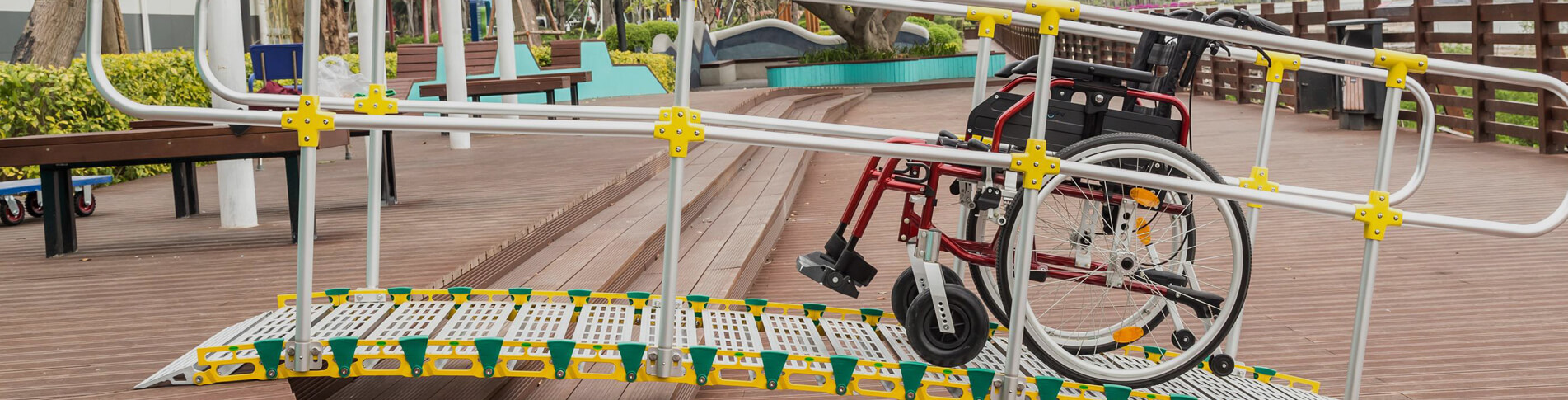
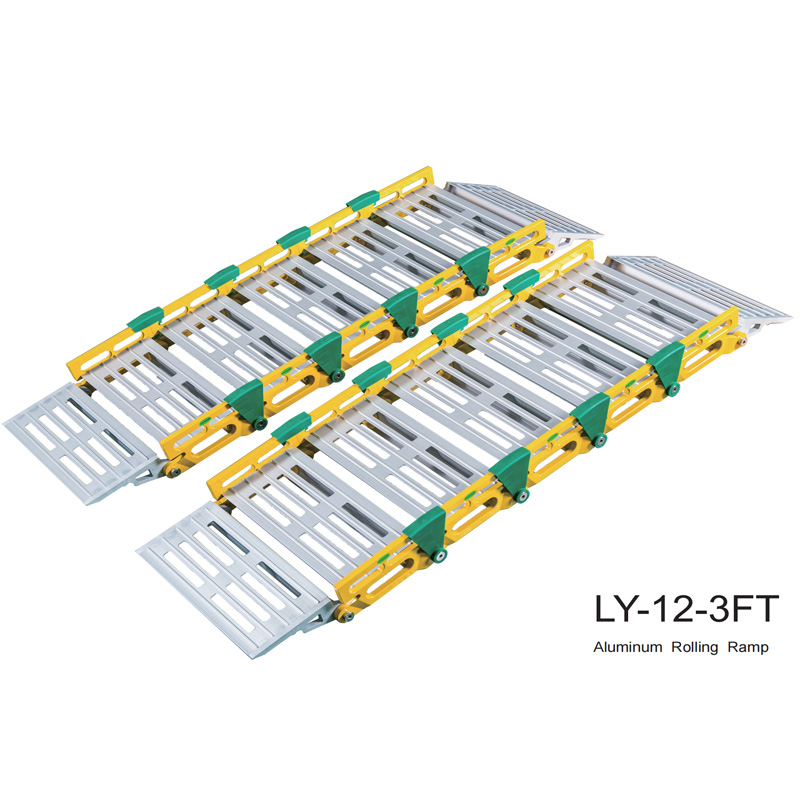
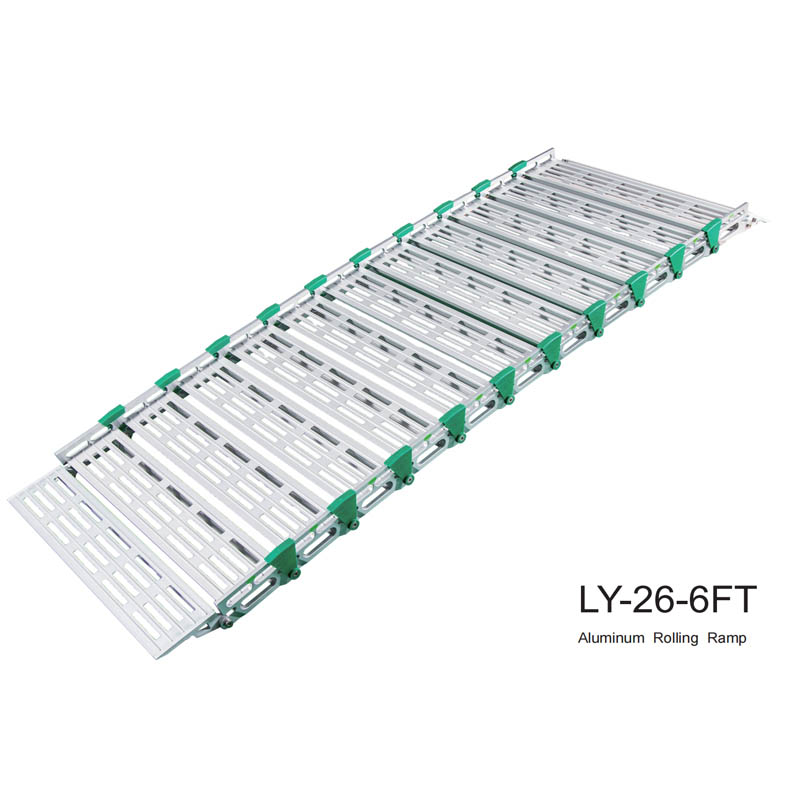
- ● A lightweight wheelchair ramp for house entrances covers the usual 2-6 in rise at a porch or sliding door
- ● Keep the slope at 1:12 (one inch of rise per foot of length) wherever space allows
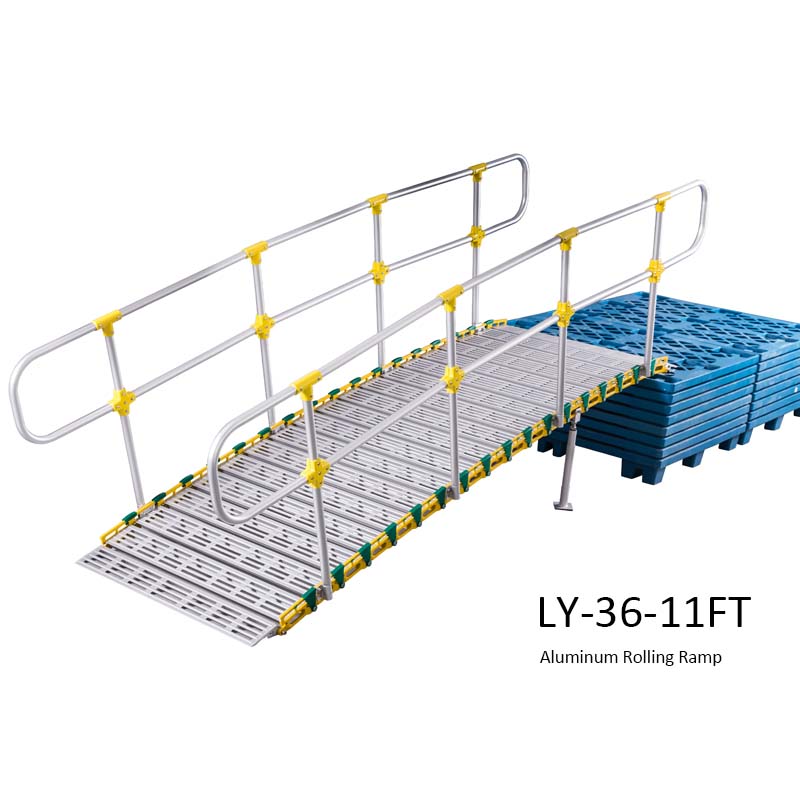
- ● Add a handrail on at least one side and keep the top landing flat and clear of mats
- ● For 1-2 in interior lips and balcony tracks, a small threshold ramp is enough
3Make the Bathroom the First Real ProjectHOT#BathroomSafety
Bathrooms account for the largest share of household falls, so this room earns the first and biggest share of the budget.
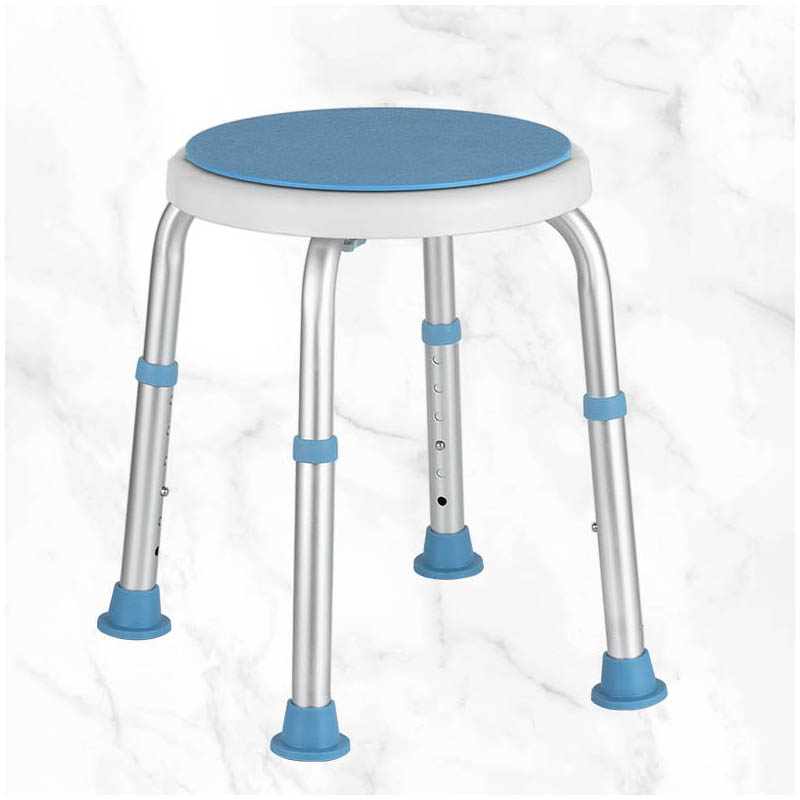
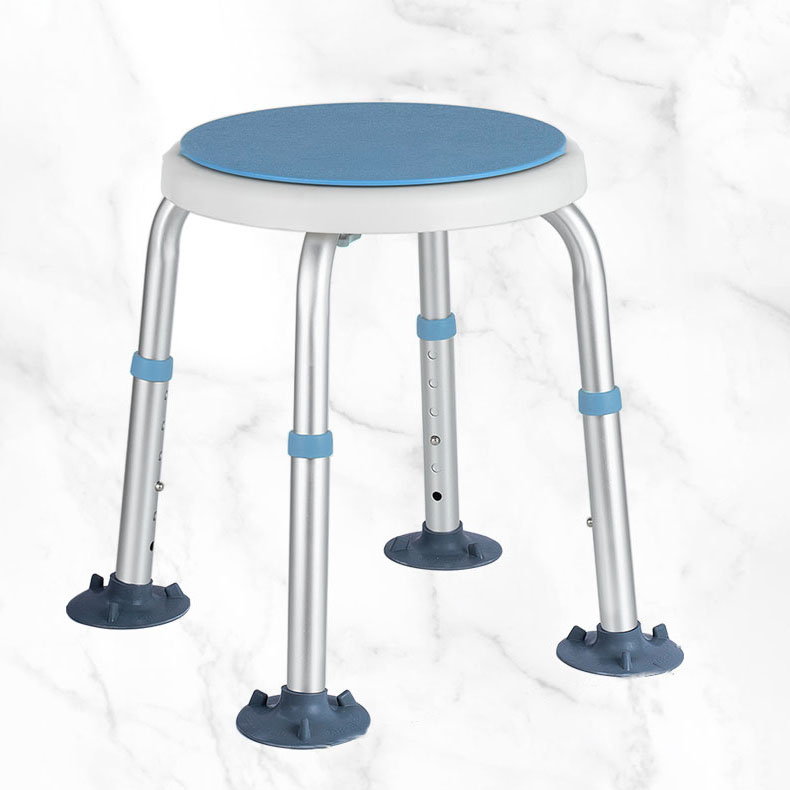
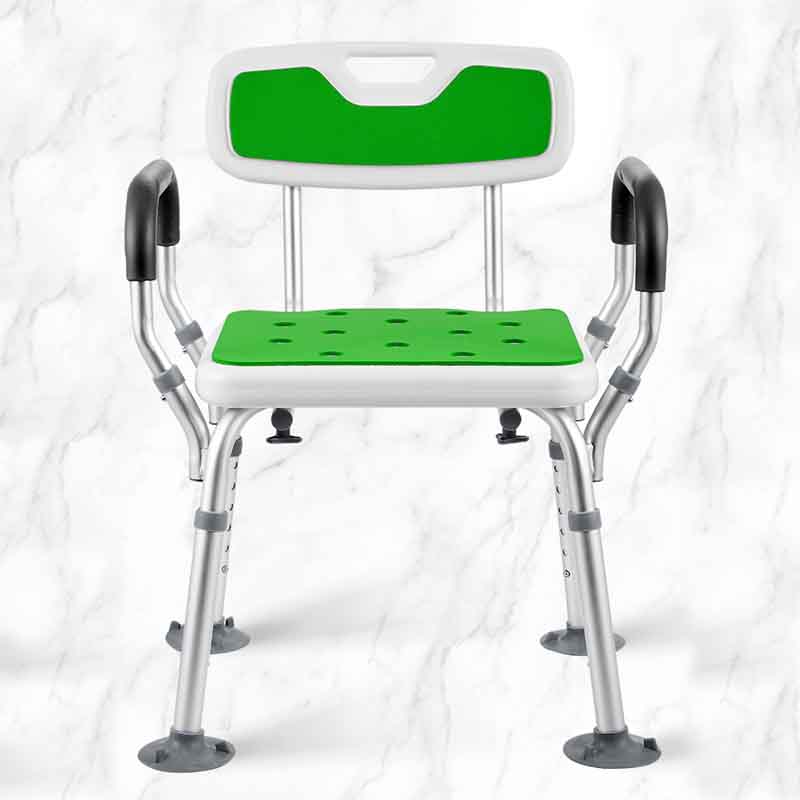
- ● An adjustable height shower chair for seniors with non-slip feet keeps bathing seated and stable
- ● Grab bars at the toilet and tub, fixed into wall studs, not drywall anchors
- ● A hand-held shower head plus a non-slip mat removes the two riskiest moves in the room
- ● A raised toilet seat shortens the sit-to-stand transfer and pairs well with a commode chair
4Bedroom and Night-Time Safety#NightSafety
Most night-time accidents happen on the way to the bathroom in the dark, so the bedroom fix is really about shortening that trip.
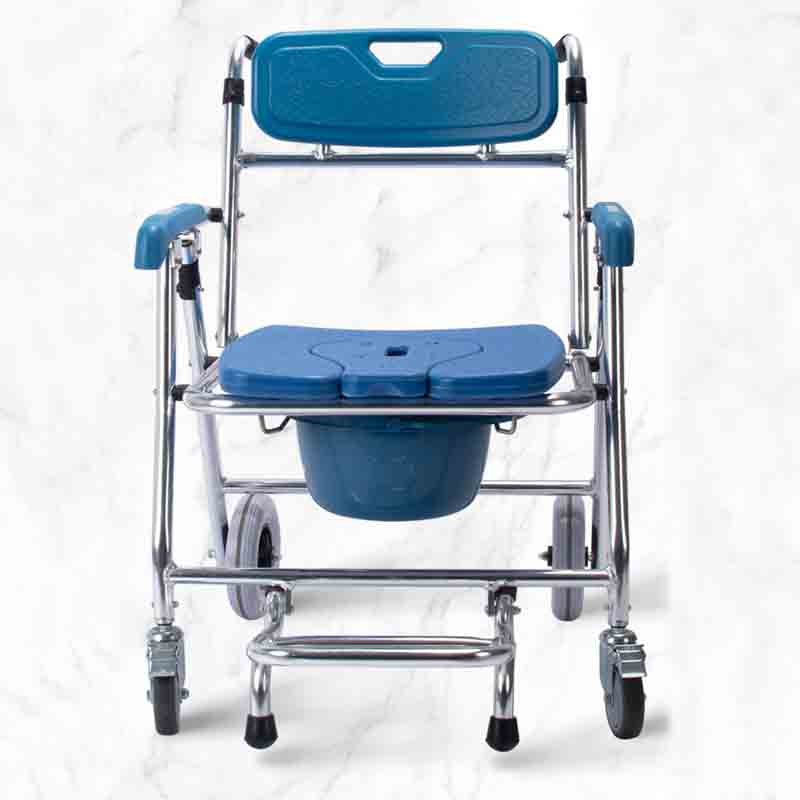
- ● A commode toilet chairs for handicapped and seniors style bedside commode removes the hallway trip entirely
- ● Keep a clear 36 in path from the bed to the door, with nothing stored in it
- ● Put a lamp within reach of the mattress and add motion night lights on the route
- ● Set the bed height so feet touch the floor with knees at 90 degrees for a safe transfer
5Kitchen and Living Areas: Reach, Turn, and Grip#KitchenAccess
- ● Lower one counter section to about 31 in for seated meal prep — you rarely need the whole kitchen
- ● Move daily items to the knee-to-shoulder band so nothing needs a stretch or a step stool
- ● Leave a turning circle in front of the sink, fridge, and main cupboard doors
- ● Replace thick rugs with low-profile mats taped at the edges, and lever handles for round knobs
6Hallways, Flooring, and Lighting#FlooringAndLight
- ● Clear width beats decoration: keep corridors free of consoles, plants, and floor lamps
- ● Swap deep-pile carpet for low-pile or hard flooring, which needs noticeably less push effort
- ● Aim for even, shadow-free light along the full route rather than one bright ceiling fixture
- ● Repair lifted thresholds and loose edge strips — small trip points become serious at walking-aid height
7Outdoor Approaches and Ramps#OutdoorRamps
- ● An outdoor wheelchair aluminum ramp with handrail handles porch and garden steps without permanent building work
- ● An aluminum residential wheelchair ramp suits a fixed entrance used every day, with a level landing at the top
- ● Check drainage and ice: a ramp that stays wet or frozen is more dangerous than the step it replaced
- ● Portable modular ramps can be moved between the front door and a back garden door as needs change
8Budget and Priority Order#BudgetOrder
Spend in this order. Each step removes more risk per yuan than the next one.
1Bathroom: shower seat, grab bars, raised toilet seat
2Main entry: ramp, handrail, level landing
3Bedroom and the night-time route to the bathroom
4Kitchen and living areas: reach ranges and turning space
5Hallways, flooring, and lighting
6Outdoor approaches and secondary doors
★The Bottom Line
- ● Accessibility is a series of small, measurable fixes — not one renovation
- ● Measure doorways, thresholds, and turning space before you buy anything
- ● Prioritise the bathroom and the main entry; they carry the most risk
- ● Choose modular, lightweight equipment that can move with the household
Quick check: 32 in doorway, 60 in turning circle, 1:12 ramp slope, grab bars at the toilet and tub.
 English
 русский
 한국의




 IPv6 network supported


