Wheelchair ramp
Blog
  • Rolling Aluminum Ramp -  Case Of Wheelchair Access For School Stage Rolling Aluminum Ramp - Case Of Wheelchair Access For School Stage
    Aug 22, 2022
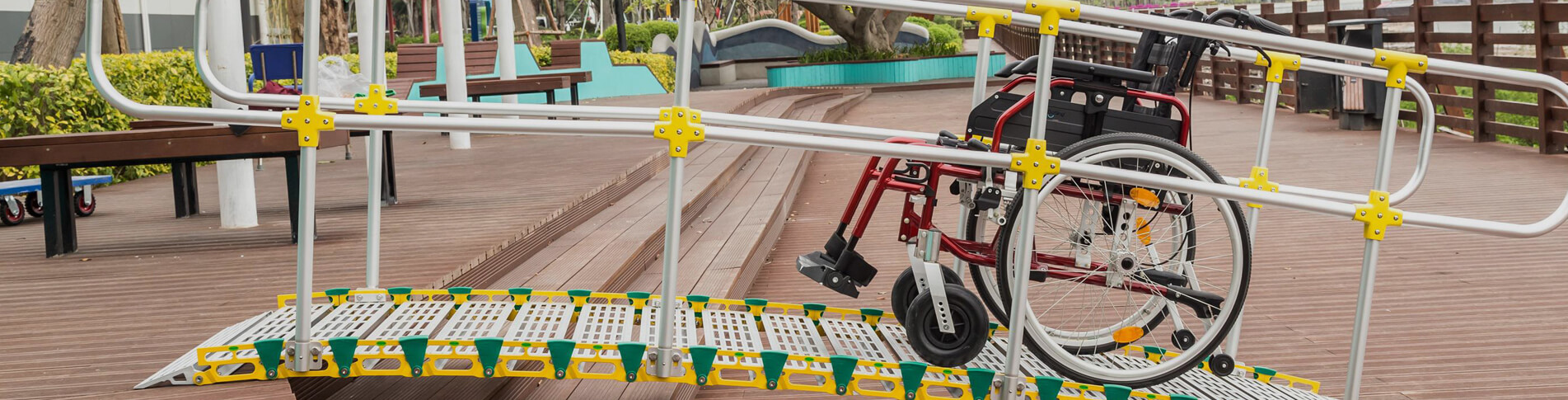
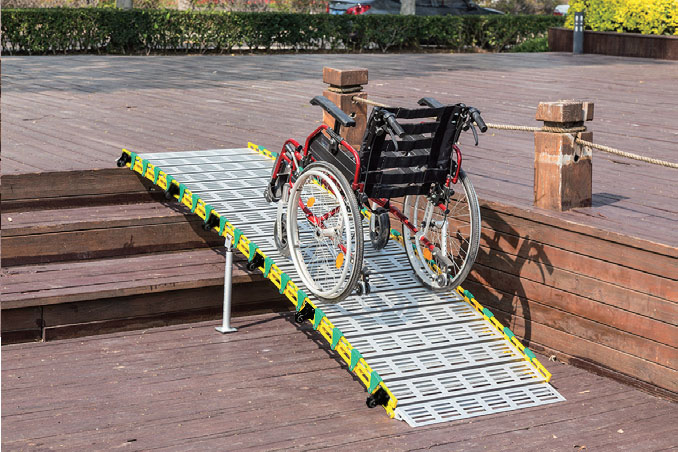
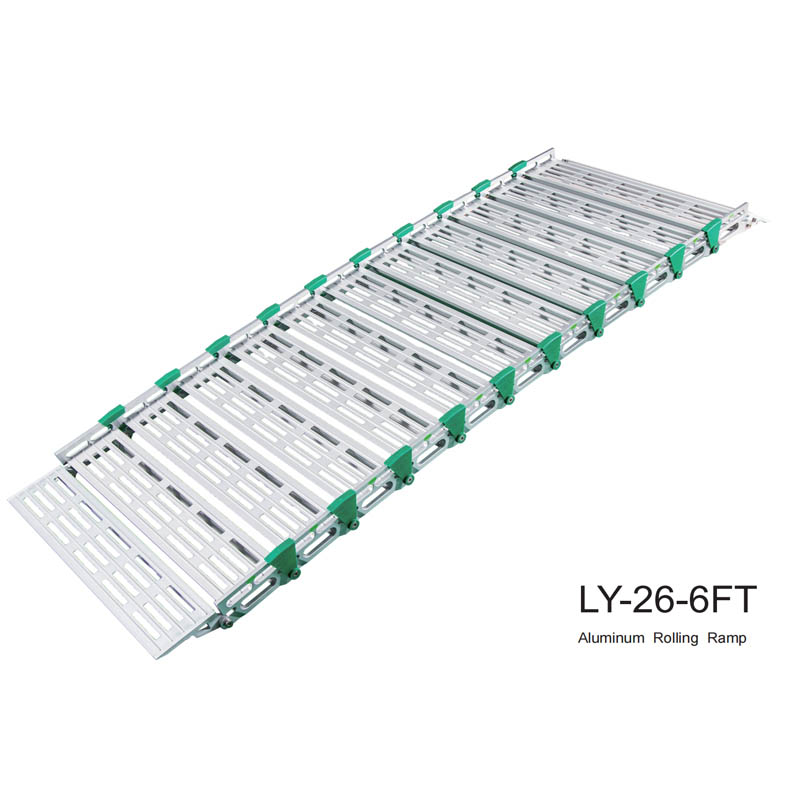
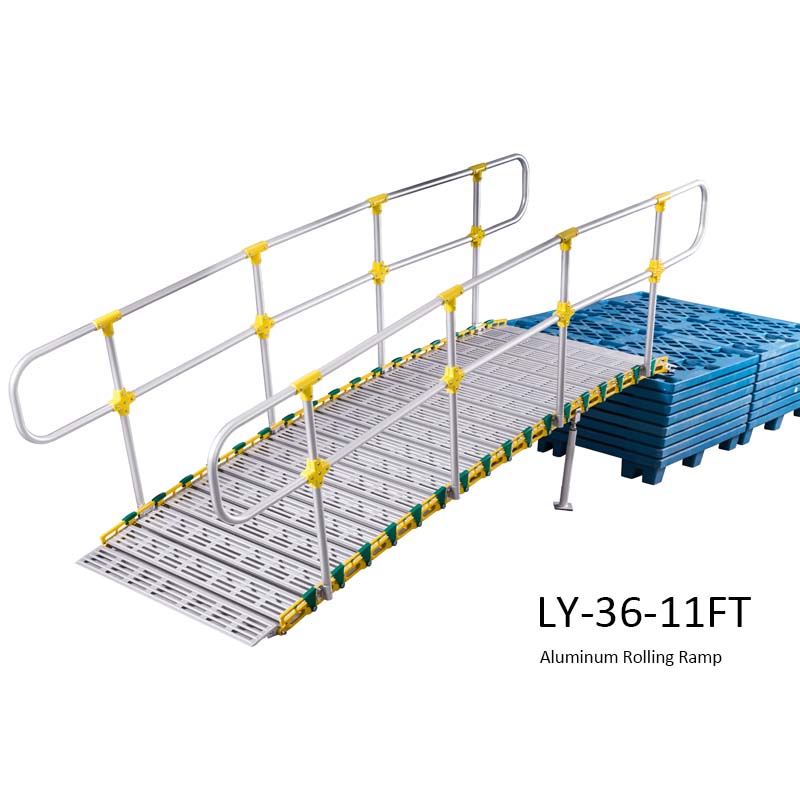
    The height of the school playground stage and indoor activity classroom is generally 20 cm, 40 cm and 60 cm. There are stairs and handrails on both sides. For this type of stage barrier-free construction, it is not easy to build passages at both ends of the stage while meeting the standard slope. Therefore, it is possible to build a segmented and movable ramp at the front of the stage, which is less difficult and easier to achieve.   Case information: The indoor stage of a school in Asia is 1 meter high, and the slope length needs to meet the government standard slope of 1:12 or 1:8. The side of the ramp needs to comply with government regulations and be 5 cm high. Ramps need to be against walls, and ramps and joints need to be passable. When storing, it needs to be disassembled.   Solution: Portable roll aluminum ramps with 10m and 9m lengths. 1 meter 4 directions support frame. The length is 10 meters, and the platform transition of 50 cm and 4 azimuth supports is made in the middle.   The ramp side panels at the junction of the top and the stage do not exceed the stage for easy wheelchair access.   Wheels are installed on the side of the ramp, which can be rolled up and pulled away when stored.   The panel is provided with ribs, and the anti-skid effect is obvious.   The ramp and the support frame are connected and fixed by a lock, and it is easy to disassemble. The end of the top ramp is used as a blocking plate to prevent falling.   Legend: The base of the support foot is cut on one side, which is convenient for leaning against the wall.
    Read More
  • Shower chair - comparison of suction cup mats and original mats Shower chair - comparison of suction cup mats and original mats
    Aug 22, 2022
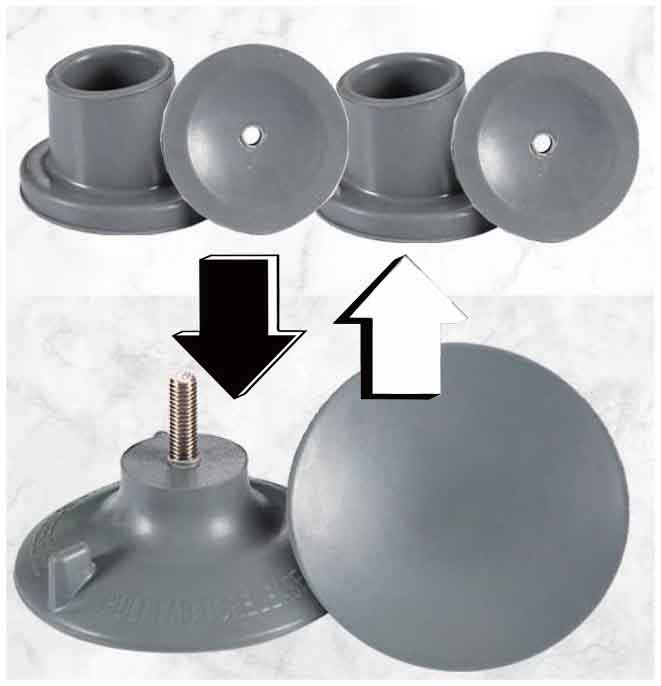
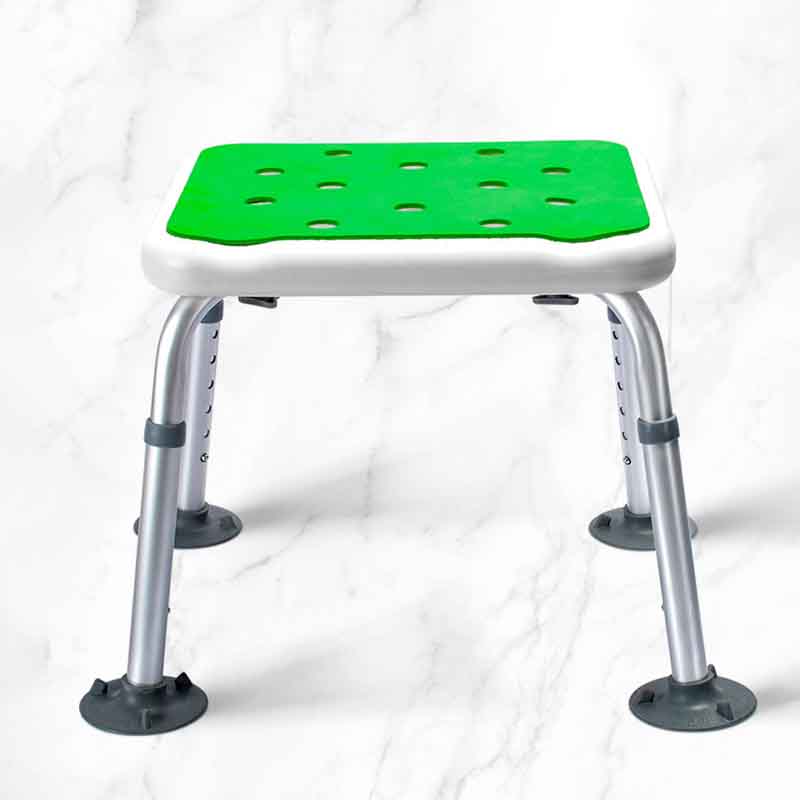
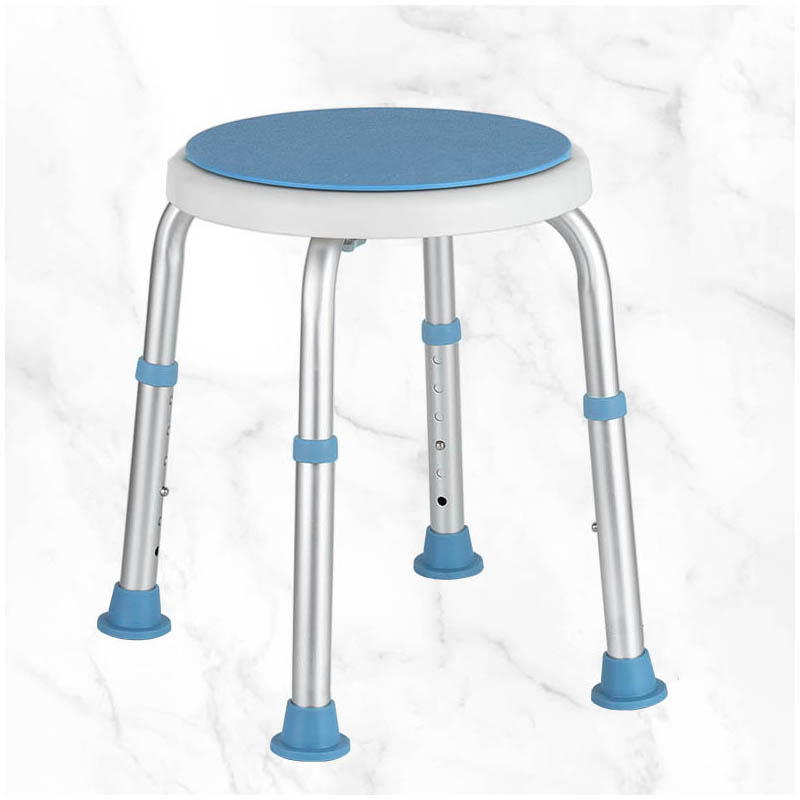
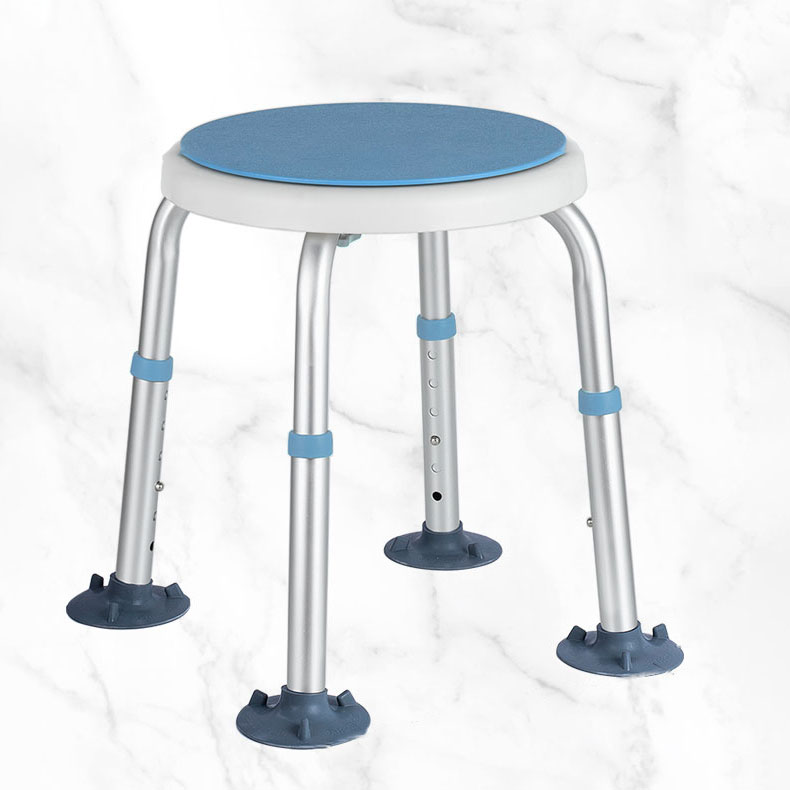
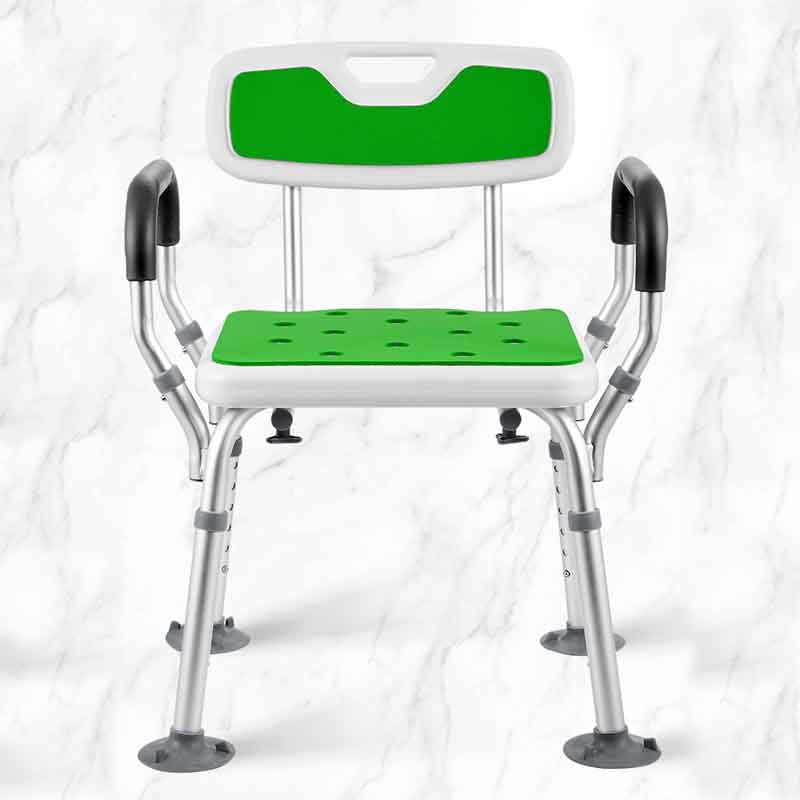
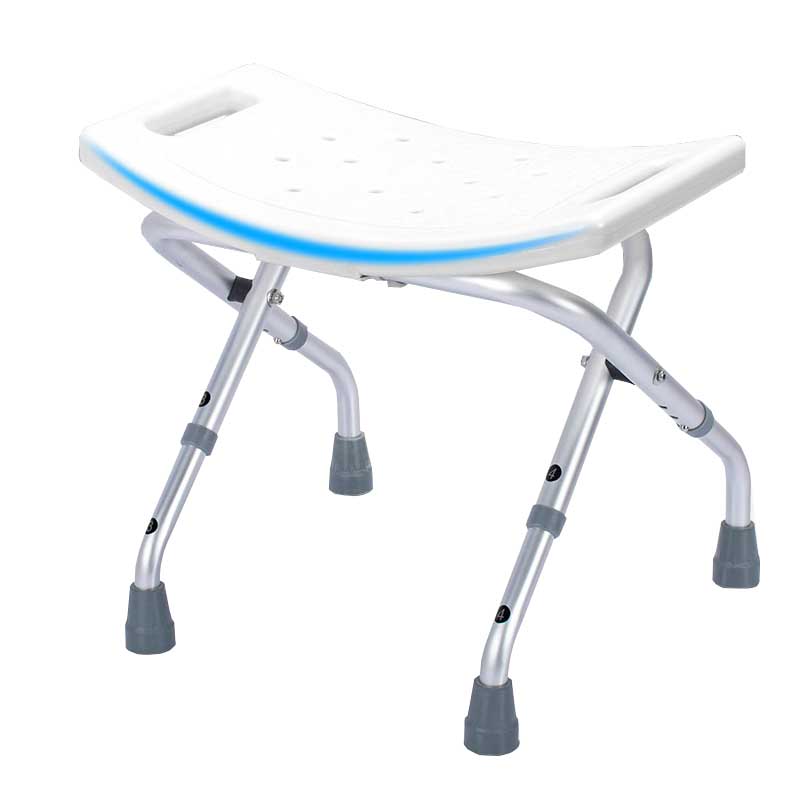
    When the legs and feet can still walk, but when taking a bath, the water temperature is high, the bathroom is relatively closed, the air is not circulated, it is easy to feel dizzy, and it is impossible to stand for a long time. Especially when movement is reduced by illness, aging, childbirth or accident. A shower chair that can fit in a wet bathroom is very important.   One of the most important properties to evaluate a bath chair is its slip resistance. Usually reflected in the four support feet of the bath chair.   Shower chair original foot pad: The material is divided into rubber and TPR, both of which have the characteristics of non-slip. Size: 6 cm in diameter It is a common accessory part for bath chairs. In the shower, it is recommended to lean against the wall. Because of the fear of the occurrence of unexpected events such as rollover or overturning, unnecessary injuries may be caused.     Suction foot pad: The material is the same as the original mat. In addition to the anti-slip feature, the anti-rollover function has been added. At the same time, it takes into account the characteristics of the original foot pads that can be moved. Size: 10cm in diameter The suction cups hold the ground firmly. It can only be lifted by manually pinching the "little ears" on the foot pads. It perfectly solves the risk that the bath chair may roll over.   Both types of pads have their own advantages, the key is how to use them.   Shower chairs with suction cup feet in the store also come with original foot pads. Welcome to purchase!
    Read More
  • Series - Introduction to the Development and Historical Knowledge of Accessible Design (I) Series - Introduction to the Development and Historical Knowledge of Accessible Design (I)
    Aug 22, 2022
    At the beginning of the 20th century, due to the call of humanitarianism, a new method of architectural design-barrier-free design was born in the field of architecture. It uses modern technology to build and transform the environment, provide convenient and safe space for the majority of disabled people, and create an environment for equal participation. The international research on the accessibility of the physical environment can be traced back to the early 1930s, when Sweden, Denmark and other countries built facilities for the disabled.   In 1961, the United States established the world's first Accessibility Standards. Since then, dozens of countries and regions, including the United Kingdom, Canada, and Japan, have successively formulated regulations. China first proposed the construction of barrier-free facilities in March 1985. At that time, China Disabled Persons Welfare Foundation, Beijing Disabled Persons Association, and Beijing Architectural Design Institute jointly held a research meeting on disabled persons and social environment in Beijing, and issued a statement for disabled persons. The initiative to create a convenient living environment, in April of the same year, at the third session of the sixth session of the National People's Congress and the third session of the sixth session of the Chinese People's Political Consultative Conference, some deputies to the National People's Congress and members of the Chinese People's Political Consultative Conference put forward proposals and suggestions for the construction of special facilities for the needs of the disabled. In July 1986, the Ministry of Construction, the Ministry of Civil Affairs and the China Disabled Persons Welfare Foundation jointly compiled China's first "Code for Design of Urban Roads and Buildings for Disabled Persons (Trial)", which was promulgated and implemented in 1989. The construction of barrier-free facilities in developed countries such as the United States and Japan and in developed regions such as Hong Kong Later, accessibility not only served the 37 million people with disabilities in the United States, but benefited the entire population. The construction of barrier-free environment in the United States has multi-level legislative guarantees and has entered the field of scientific research and education: various barrier-free facilities have an all-round layout and are coordinated with architectural art, which can be called world-class. Many colleges and universities in the United States have established a specialization in barrier-free design.   While carrying out the construction and renovation of barrier-free facilities, Europe emphasizes that the construction of houses should also be barrier-free, that is, for the disabled and the elderly. In the late 1930s, Sweden and Denmark began to provide apartments for the elderly.   There are about 200 million disabled people in the Asia-Pacific region. In recent years, Japan, Malaysia, the Philippines, South Korea and other countries have developed relatively good barrier-free facilities. Japan's current barrier-free facilities are relatively popular, and the unified construction regulations formulated by the country include barrier-free design. When each building is completed, a special department will check whether the construction of barrier-free facilities complies with the regulations. In some public facilities, especially stores, different levels of barrier-free design are implemented according to the size of the building area. For example, for large and medium-sized commercial buildings with an area of ​​more than 1,500 square meters, it is stipulated that special parking lots, toilets, elevators, and unimpeded passage for wheelchair users should be provided for the disabled and the elderly.
    Read More
  • The Complete Guide to Portable Wheelchair Ramps: Choosing the Right Ramp for Home and Travel The Complete Guide to Portable Wheelchair Ramps: Choosing the Right Ramp for Home and Travel
    Jun 18, 2026
    The Complete Guide to Portable Wheelchair Ramps: Choosing the Right Ramp for Home and Travel Finding the right portable wheelchair ramp can make a world of difference for individuals with limited mobility. Whether you need to access a home entrance, load a wheelchair into a vehicle, or navigate a public space, a well-chosen ramp provides independence, safety, and peace of mind. In this guide, we will walk you through the key factors to consider when selecting a portable wheelchair ramp, including weight capacity, length, material, and design features. Why Choose a Portable Wheelchair Ramp? Unlike permanent installations, portable ramps for wheelchairs offer flexibility. They can be moved from one location to another, stored when not in use, and set up in seconds. This makes them ideal for: Home use — Overcoming steps at entrances, doorways, and patios Travel — Accessing RVs, vans, and temporary lodging Public venues — Schools, offices, and community centers that need temporary accessibility solutions Vehicle loading — Loading wheelchairs, scooters, or mobility devices into cars and vans Key Factors to Consider 1. Weight Capacity Always check the ramp's weight rating before purchasing. Choose a ramp that supports at least the combined weight of the wheelchair and its occupant. Most standard portable ramps support between 600 and 800 pounds. 2. Length and Slope The ramp length determines how steep the incline will be. The standard recommended slope ratio is 1:12 (for every inch of rise, you need 12 inches of ramp length). For example, a 6-inch step requires a 6-foot ramp. A shallower slope (1:8 or 1:6) is acceptable for lighter-use situations. To make this easier, measure the height of the step or threshold you need to overcome, then multiply by 12 to find the minimum ramp length in inches. 3. Material and Durability Aluminum is the most common material for portable ramps — and for good reason. It is lightweight, rust-resistant, strong, and easy to clean. Whether you choose a wheelchair aluminum ramp for house or a more compact design, aluminum provides long-lasting performance. Look for ramps with a non-slip surface, such as raised ridges or grip tape, to ensure safe use in wet conditions. 4. Track Width Portable ramps typically come in two styles: Single-track ramps — Narrower and lighter, designed for manual wheelchairs. Multi-fold ramps — Wider, providing a full-width platform for power wheelchairs and scooters. 5. Portability Features Look for ramps with built-in carrying handles, telescoping designs, or folding mechanisms. A lightweight design (under 15–20 lbs) makes a huge difference if you need to carry the ramp regularly. Top Applications for Portable Ramps Home Entryways A lightweight wheelchair ramp for house can solve accessibility challenges at front doors, garage entries, and sunken living rooms. These ramps are easy to position and remove as needed. Vehicle Access For van and SUV users, portable ramps allow quick loading and unloading of wheelchairs and scooters. Look for models with anti-slip surfaces and secure positioning features to prevent shifting during use. Stairs and Curbs Portable Wheelchair Ramps For Stairs are designed with a shorter, wider profile to bridge small curbs or single steps. They are often used in urban environments where full-length ramps are impractical. Thresholds For doorways with raised thresholds, a compact aluminum threshold ramp provides a smooth transition without requiring a full-size ramp. These are ideal for both interior and exterior doors. Safety Tips Check the ground surface — Always place the ramp on a stable, level surface. Use the ramp with a spotter — Especially when first learning to use a new ramp. Secure the ramp — Make sure the ramp ends rest firmly against both surfaces to prevent slipping. Inspect regularly — Check for cracks, bends, or worn non-slip surfaces and replace if needed. Follow the slope guidelines — A slope that is too steep is dangerous for both the user and the person assisting. Conclusion Investing in the right portable wheelchair ramp is a step toward greater independence and accessibility. By considering the weight capacity, length, material, and portability features, you can find a solution that fits your specific needs. Whether you need a ramp for daily home use, travel, or temporary situations, choose a high-quality Residential Wheelchair Ramp that meets safety standards and gives you confidence every time you use it.
    Read More
  • Choosing the Right Rollator Walker: A Complete Guide for Seniors and Caregivers
    Jun 18, 2026
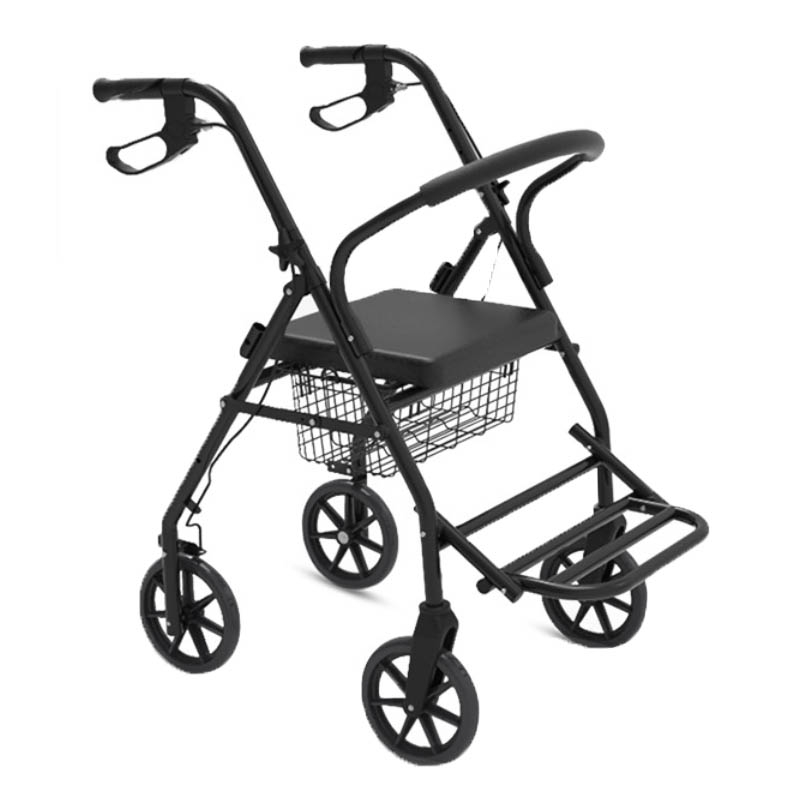
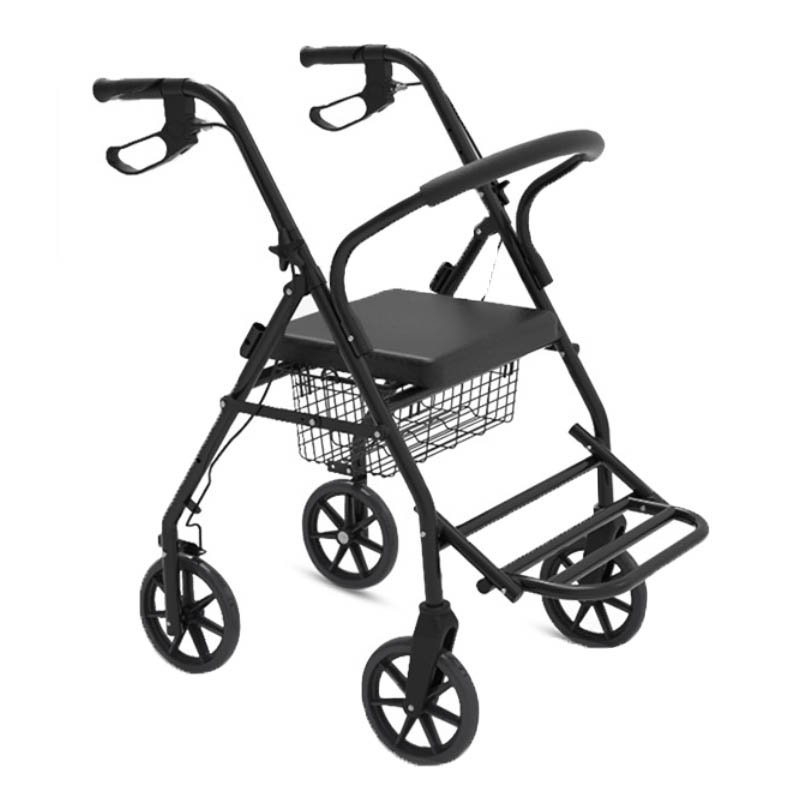
    Choosing the Right Rollator Walker: A Complete Guide for Seniors and Caregivers A rollator walker is more than just a mobility aid — it is a tool that restores independence, confidence, and freedom of movement. Whether you are a senior looking to stay active, a caregiver searching for the right equipment, or someone recovering from an injury, choosing the right rollator can make all the difference. In this guide, we cover everything you need to know about rollator walkers, including types, features, sizing, and how to match a rollator to your specific needs. What Is a Rollator Walker? A rollator is a walking aid with four wheels, handlebars, hand brakes, and often a built-in seat. Unlike a standard walker that requires lifting, a rollator rolls smoothly forward, allowing the user to walk naturally. Most models also include a storage pouch or basket underneath the seat for carrying personal items. Key Benefits of Using a Rollator Natural walking motion — No need to lift the device; just push and walk Built-in seating — Take a rest whenever needed, ideal for long outings Increased stability — Four points of contact provide excellent balance support Storage convenience — Carry belongings hands-free Indoor and outdoor use — Suitable for sidewalks, parks, shopping malls, and home Types of Rollator Walkers 1. Standard Rollator The most common type, featuring 4 wheels, foam or ergonomic handles, loop brakes, and a padded seat. Great for everyday use. 2. Lightweight Rollator Made from aluminum, these are significantly lighter (typically 10–15 lbs), making them easier to lift into a car or carry up stairs. A lightweight aluminum wheeled walkers for seniors is ideal for those who travel frequently. 3. Heavy-Duty Rollator Designed for users weighing 350–500 lbs. These have reinforced frames, larger wheels, and wider seats for extra comfort and stability. 4. Rollator with Back Support Some users need additional trunk support. A rollator walker with back support provides lumbar stability and is especially helpful for users with balance issues or recent surgery. 5. 3-Wheel Rollator More maneuverable in tight spaces but less stable than 4-wheel models. Best for indoor use where space is limited. How to Choose the Right Rollator Step 1: Measure the User Height — The handle height should align with the user's wrist when standing upright with arms relaxed. Most rollators adjust from 32 to 39 inches. Seat height — The user should be able to sit with feet flat on the floor and knees at a 90° angle. Seat width — Standard seats are 18–20 inches wide. Wider options are available for larger users. Step 2: Consider Weight Capacity Always choose a rollator that supports at least 20–30 lbs more than the user's weight. Standard models support 250–300 lbs, while heavy-duty options support 350–500 lbs. Step 3: Choose the Right Wheels Small wheels (6–7 inches) — Better for indoor use and smooth surfaces Large wheels (8–10 inches) — Better for outdoor terrain, curbs, and uneven pavement All-terrain wheels — Pneumatic or foam-filled tires for grass, gravel, and park paths Step 4: Check Brakes and Safety Features All rollators should have hand brakes that are easy to grip and operate. Many seniors benefit from brakes with an ergonomic or wrap design. Also check for: Parking brakes (locking the rollator in place when seated) Reflective elements for visibility A stable frame that doesn't wobble Step 5: Evaluate Portability If the user needs to transport the rollator frequently, look for a folding frame. A health care portable wheeled walkers with seat that folds compactly is easier to fit in car trunks and store at home. Top Uses for Rollators Daily Walking and Exercise A 4 wheeled walker with seat and brakes allows seniors to walk safely around the neighborhood, visit parks, and stay physically active without fear of falling. Shopping and Errands The built-in seat and storage basket make rollators ideal for trips to the grocery store or mall. Users can stop and rest anytime. Travel and Vacations A lightweight folding four wheeled walker rollator can be taken on airplanes, in RVs, or on road trips. They fold flat for easy storage. Post-Surgery Recovery After hip or knee replacement surgery, a rollator provides the support needed during the early stages of walking rehabilitation. Maintenance Tips Check brake cables regularly for wear Keep wheels clean and free of debris Tighten screws and bolts every few weeks Replace worn hand grips Store indoors to prevent rust and weather damage Conclusion A rollator walker can dramatically improve quality of life for seniors and individuals with limited mobility. By considering the user's height, weight, typical terrain, and daily activities, you can find the perfect rollator that combines comfort, safety, and convenience. Whether you need a lightweight model for travel or a heavy-duty rollator for daily use, choosing a high-quality rollator walker means investing in greater independence and peace of mind.
    Read More
  • The Complete Guide to Choosing a Commode Chair: Types, Features, and Buying Tips
    Jul 06, 2026
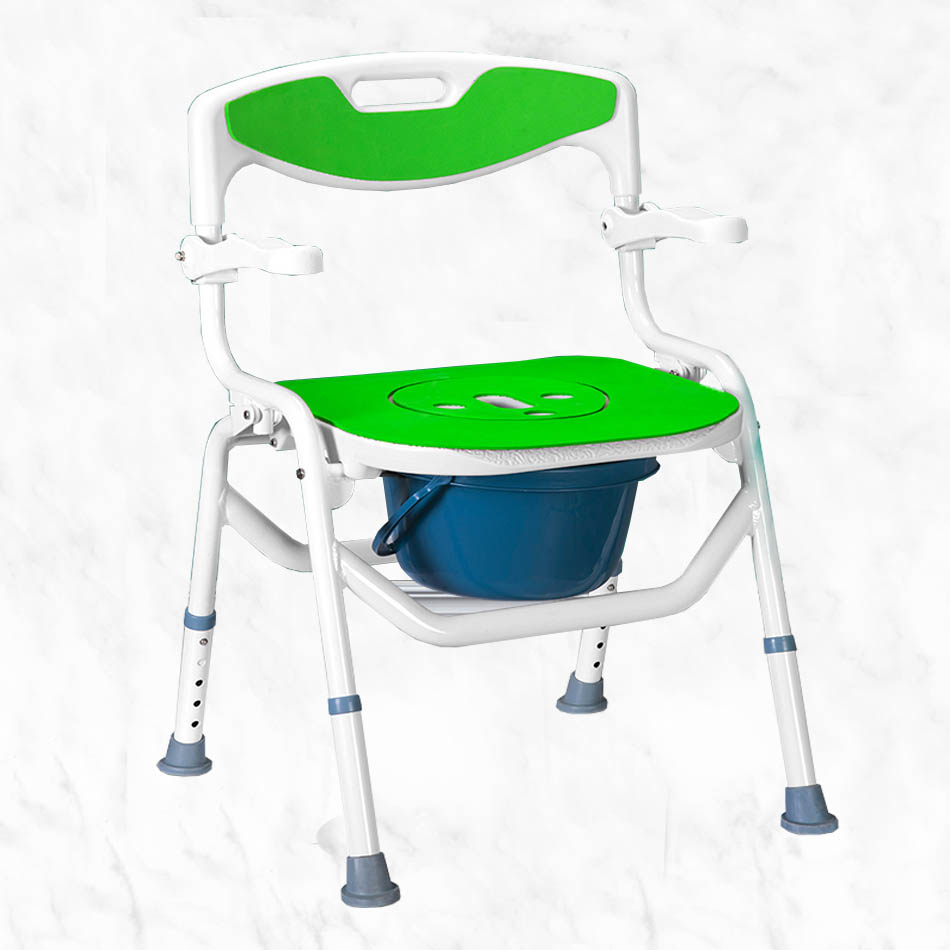
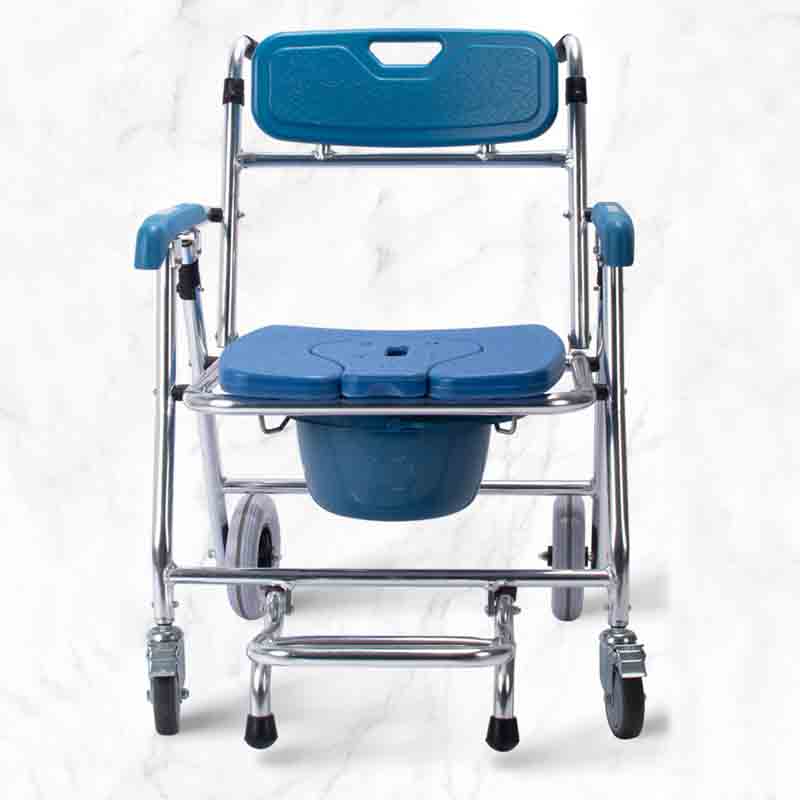
    A commode chair is an essential mobility aid for seniors, post-surgery patients, and individuals with limited mobility. Whether used as a bedside toilet, a shower commode, or a raised toilet seat replacement, choosing the right commode chair can significantly improve comfort, dignity, and safety. This guide covers everything you need to know — from types and materials to sizing, weight capacity, and maintenance. What Is a Commode Chair? A commode chair is a portable toilet chair that typically consists of a frame with armrests, a seat with an opening, and a removable bucket or pan underneath. Many models can also be placed directly over a standard toilet to serve as a raised toilet seat or used in the shower as a shower commode. Whether you need a simple bedside solution or a versatile 3-in-1 design, Commode Toilet Chairs for Handicapped and Seniors are available in a wide range of configurations to suit different needs. Key Benefits Bedside convenience — No need to rush to the bathroom at night Portable and lightweight — Easily moved between rooms or taken on trips Versatile use — Can function as a toilet chair, raised toilet seat, or shower chair Independence — Allows users to manage toileting with minimal assistance Safety — Sturdy frame with armrests provides support when sitting and standing Types of Commode Chairs 1. Standard Drop-Front Commode The most common type. Features a removable bucket with a drop-front pail cover for easy emptying. Ideal for bedside or indoor use. 2. 3-in-1 Commode Chair Versatile models that function as a bedside commode, raised toilet seat (placed over the toilet), and shower chair. A lightweight bedside commode shower chair is a great choice for those who need one device for multiple settings. Many models also work as a shower commode chair for over toilet, combining bathroom safety with toileting convenience. 3. Bariatric Commode Chair Heavy-duty models designed for users weighing 350–700 lbs. These feature reinforced steel frames, wider seats (20–22 inches), and higher weight capacities. 4. Rolling Commode Chair Includes locking casters for easy mobility. Ideal for users who need to be moved between rooms by a caregiver. 5. Reclining Commode Chair Offers a reclining backrest for users who need extra positioning support. Often used in hospitals and long-term care facilities. How to Choose the Right Commode Chair Step 1: Measure the Seat Height Seat height is critical for comfort and safety. The user should be able to sit with feet flat on the floor and knees at a 90-degree angle. Standard height: 17–19 inches Tall/Extra-tall: 20–25 inches (for taller users or post-surgery recovery) Adjustable height: Most models offer 3–5 height settings Step 2: Consider Weight Capacity Check the weight limit of the frame. Standard commodes support 250–350 lbs. Bariatric models support up to 700 lbs. Step 3: Choose the Right Seat Width Narrow seats (16–17 inches) fit smaller users. Standard seats (18 inches) fit most users. Wide seats (20–22 inches) are ideal for larger users. Step 4: Decide Between Stationary and Rolling Stationary models are lighter and more stable. Rolling models offer easier repositioning but require locking casters for safety during use. Step 5: Look for Easy-to-Clean Features A removable bucket with a splash guard makes emptying easier. Pail covers help contain odors. Some models feature tool-free disassembly for thorough cleaning. A folding portable commode toilet chair is especially convenient for travel and easy storage. Who Benefits Most from a Commode Chair? Seniors with limited mobility — Safer than walking to the bathroom at night Post-surgery patients — Essential after hip, knee, or abdominal surgery Individuals with disabilities — Provides independence for toileting Caregivers — Reduces physical strain when assisting with transfers Travelers and campers — Portable option for trips where bathroom access is limited A medical bedside commode shower chair offers the versatility that hospitals and home caregivers need — combining clinical durability with everyday comfort. Maintenance Tips Empty and clean the bucket daily with mild soap and water Disinfect the frame, armrests, and seat regularly Check rubber tips on legs for wear to prevent slipping Tighten screws and bolts weekly Replace the bucket if cracked or stained Conclusion A commode chair is a practical, dignity-preserving solution for anyone facing mobility challenges. By considering height, weight capacity, intended use, and ease of cleaning, you can find the perfect commode chair for your needs — whether at home, in a care facility, or on the go.
    Read More
leave a message
leave a message
If you are interested in our products and want to know more details,please leave a message here,we will reply you as soon as we can.

Home

Products