The Complete Guide to Mobility Scooter Ramps: Vehicle Loading, Storage, and Home Access
A mobility scooter opens up the world — but only if you can get it out the door, up a curb, and into a vehicle. Because scooters are heavier and wider than manual wheelchairs, they need ramps designed for their weight, wheelbase, and turning style. The right ramp makes loading and everyday access safe; the wrong one can be frustrating or even dangerous.
This guide covers how to choose a mobility scooter ramp for vehicle loading, storage, and home access, with practical advice on measuring your scooter, ramp types, slopes, and securing the scooter during transport.
HOT TOPICS
#MobilityScooterRamp
#VehicleLoadingRamp
#ScooterTravel
#VanAccessibility
#HomeMobility
1Why Mobility Scooters Need Dedicated RampsHOT#ScooterRampBasics
Mobility scooters are much heavier than manual wheelchairs. A typical 3-wheel or 4-wheel scooter can weigh 200 to 400 pounds or more, and the rider adds additional weight. Scooter wheels are also positioned differently from wheelchair wheels, with a wider turning radius and limited ground clearance at the front.
These differences matter on ramps. A ramp built for a lightweight manual wheelchair may flex, slide, or be too narrow for a scooter. A dedicated scooter ramp is rated for higher loads, wide enough for the scooter's wheel track, and long enough to keep the front of the scooter from scraping on steeper climbs.
2Scooter Ramps vs Wheelchair Ramps: Key DifferencesHOT#ScooterVsWheelchair
- ●Weight capacity — Scooter ramps are rated for the scooter plus rider, often 600 pounds or more.
- ●Width — Scooters have wider wheel tracks than wheelchairs, so the ramp surface must be wide enough for both rear wheels.
- ●Length and slope — Scooters climb best on gentle slopes; steep ramps can tip a scooter backward or catch the front on the edge.
- ●Surface and edges — Look for a non-slip surface and raised side edges or curbs to keep the scooter centered.
- ●Portability — Loading ramps for vehicles fold or telescope for storage in the trunk.
Scooter ramps come in the same material families as portable mobility aluminum ramps for accessibility, but sized and rated for heavier loads.
3Measure First: Scooter Weight, Width, and Load HeightHOT#ScooterRampSizing
Before choosing a ramp, write down three numbers:
- ●Total weight — scooter weight plus the heaviest expected rider (and any cargo). Choose a ramp rated above this total; a comfortable safety margin is 1.5 times the combined weight.
- ●Wheel track width — measure the distance between the outside edges of the rear wheels. The ramp must be at least this wide, ideally with a little extra room on each side.
- ●Load height — for vehicle loading, measure the height from the ground to the cargo floor or trunk opening, and the width of the opening itself.
These numbers determine both the length and style of ramp you need.
4Types of Scooter Ramps#ScooterRampTypes
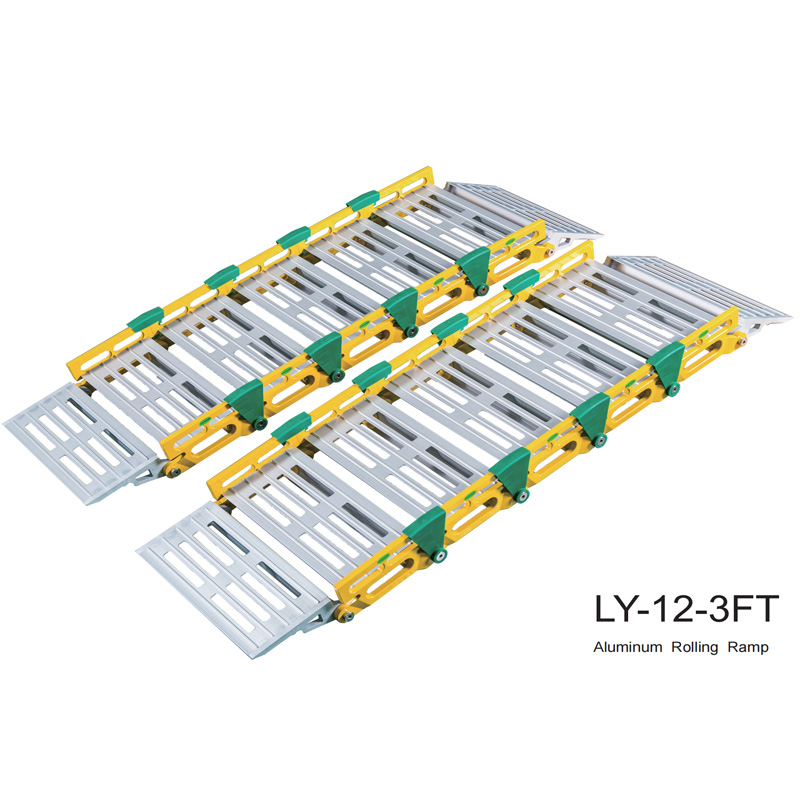
Full-width folding ramps. These open into a single wide platform and fold into two or more sections for storage. They are the most stable option for scooters because both wheels stay on one continuous surface. A Portable Aluminum Scooter Ramp with a full-width design is the easiest choice for loading and everyday home access.
Suitcase-style single-track ramps. These fold into a compact suitcase shape and split into two separate tracks, one for each wheel. They are lighter and store in small spaces, which makes them popular for travel, but the scooter rider must line up each wheel precisely, which takes practice.
Telescopic and adjustable ramps. These extend or adjust to fit different heights and storage spaces, giving one ramp more flexibility across vehicles and situations.
For most scooter owners, a full-width folding ramp is the best balance of safety and convenience, while a suitcase-style ramp suits travelers who need maximum portability.
5Vehicle Loading: Trunk, SUV, and Minivan Solutions#ScooterVehicleLoading
Loading a scooter into a car is one of the most common needs — and the most common source of mistakes. Measure the height of the trunk or cargo opening and choose a ramp length that keeps the slope gentle. A ramp that is too short creates a steep angle, which can scrape the scooter's front or make the rear wheels lose traction.
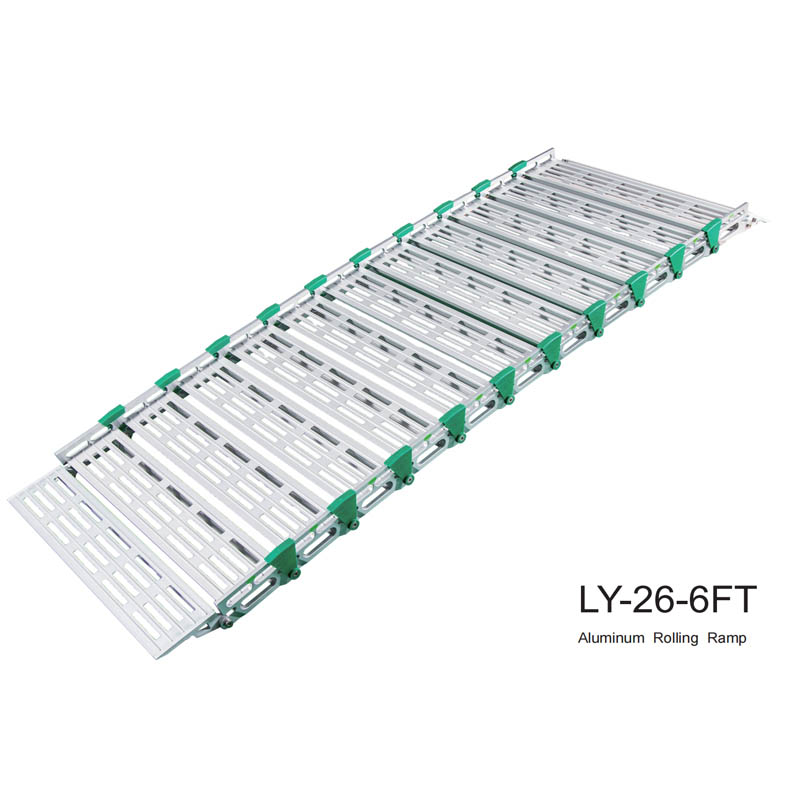
For hatchbacks and SUVs, a full-width folding ramp laid from the ground to the cargo floor works well. For taller vehicles, a longer ramp is safer. A Minivan wheelchair ramp 5ft length is a popular choice because it reaches the cargo floor of most minivans and full-size SUVs while keeping the slope manageable. For taller hatchbacks and crossovers, a 6ft portable mobility aluminum wheelchair ramp keeps the climb gentler.
Always load and unload on level ground, with the vehicle in park and the parking brake engaged. Have a second person steady the scooter the first few times, and never drive up a ramp while seated on a scooter that is too fast for control — creep forward slowly or use the lowest speed setting.
6Around the Home: Thresholds, Steps, and Curbs#ScooterHomeAccess
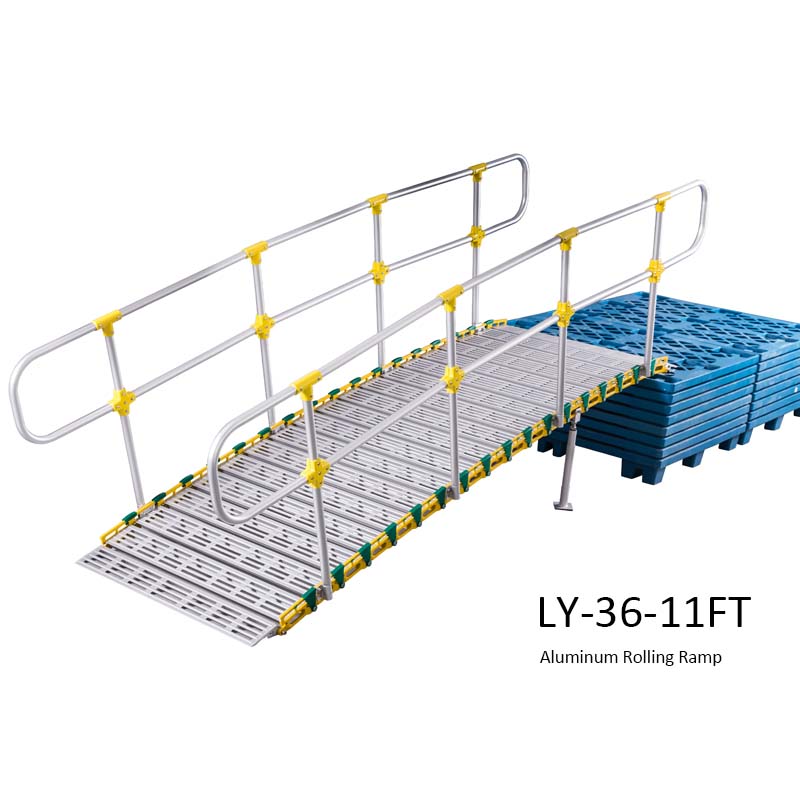
Scooters also need help around the home. A low threshold or single step can stop a scooter completely because the front wheels have little clearance. At doorways and porches, use a low-rise threshold ramp or a short portable ramp that bridges the step, keeping the approach straight.
For small curbs and single steps, check the scooter's ground clearance first — if the front of the scooter is low, even a modest slope can scrape. When in doubt, choose a longer, gentler ramp or an aluminum wheelchair loading ramp rated for the scooter's weight.
7Slope, Weight Capacity, and Securing Rules#RampSafetyRules
- ●Keep the slope gentle. As a general rule, aim for about 1:12 (one foot of ramp length per inch of rise). Scooters can manage somewhat steeper short ramps, but gentler is always safer for the rider and the machine.
- ●Check the rated capacity. The ramp's weight rating should exceed the combined weight of scooter and rider, ideally by a clear margin.
- ●Center the scooter. On full-width ramps, ride in the center; on track ramps, align each wheel carefully before climbing.
- ●Secure during transport. Once the scooter is in the vehicle, engage its brake or power off, then use ratchet straps or tie-downs to keep it from rolling. Never rely on the scooter's own brake alone while driving.
- ●Inspect before each use. Check for cracks, bent edges, worn non-slip surfaces, and loose hinge pins, and replace any damaged ramp immediately.
8Maintenance and Safety Checklist#RampMaintenanceChecklist
- 1Wipe the ramp clean after use, especially after loading in wet or muddy conditions.
- 2Check hinge points and locks on folding and telescopic ramps regularly.
- 3Confirm the non-slip surface still provides grip; clean off oil, sand, or debris.
- 4Store the ramp dry, out of direct sun when possible, to extend the life of rubber parts.
- 5Practice loading with a helper at home before you need to do it alone away from home.
★Final Takeaway#ScooterRampGuide
A mobility scooter is only as useful as its access. With a ramp matched to your scooter's weight, width, and your vehicle's load height, you can drive to appointments, visit family, and enjoy outings with confidence.
Measure carefully, choose a full-width or purpose-built scooter ramp, keep slopes gentle, and always secure the scooter for transport — then the world stays within reach.
 English
 русский
 한국의





 IPv6 network supported


