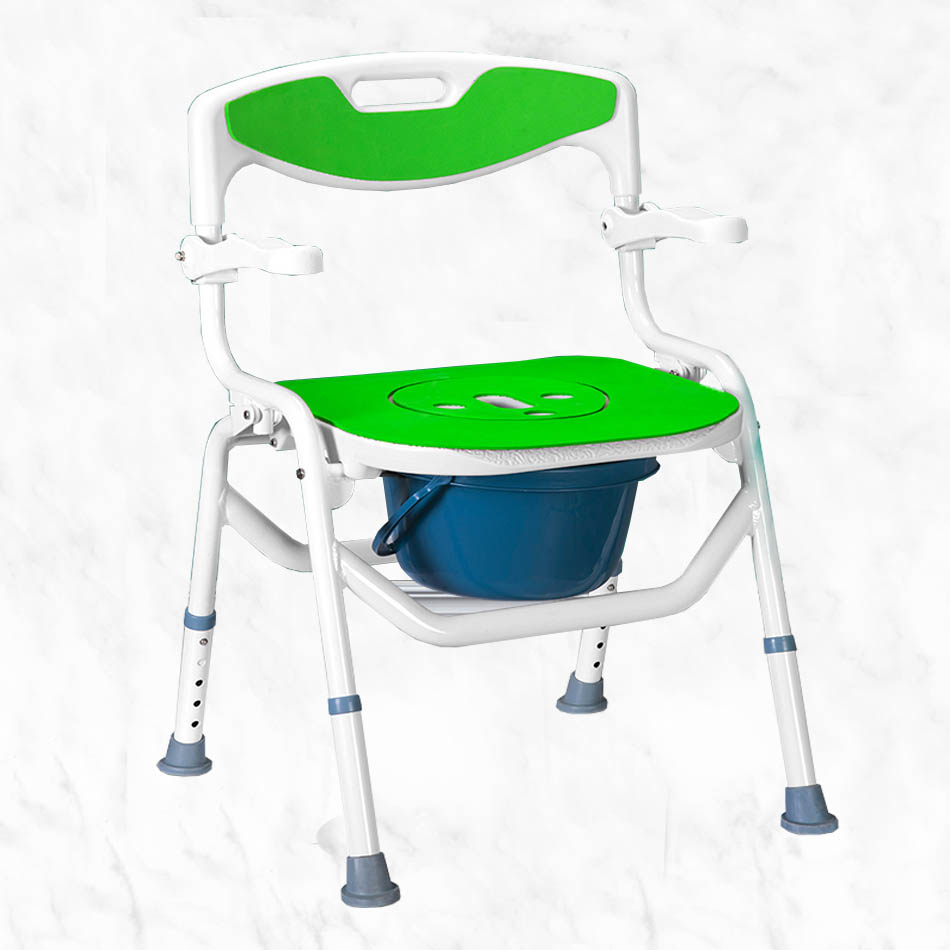
 The Complete Guide to Choosing a Commode Chair: Types, Features, and Buying Tips
Jul 06, 2026
A commode chair is an essential mobility aid for seniors, post-surgery patients, and individuals with limited mobility. Whether used as a bedside toilet, a shower commode, or a raised toilet seat replacement, choosing the right commode chair can significantly improve comfort, dignity, and safety. This guide covers everything you need to know — from types and materials to sizing, weight capacity, and maintenance.
What Is a Commode Chair?
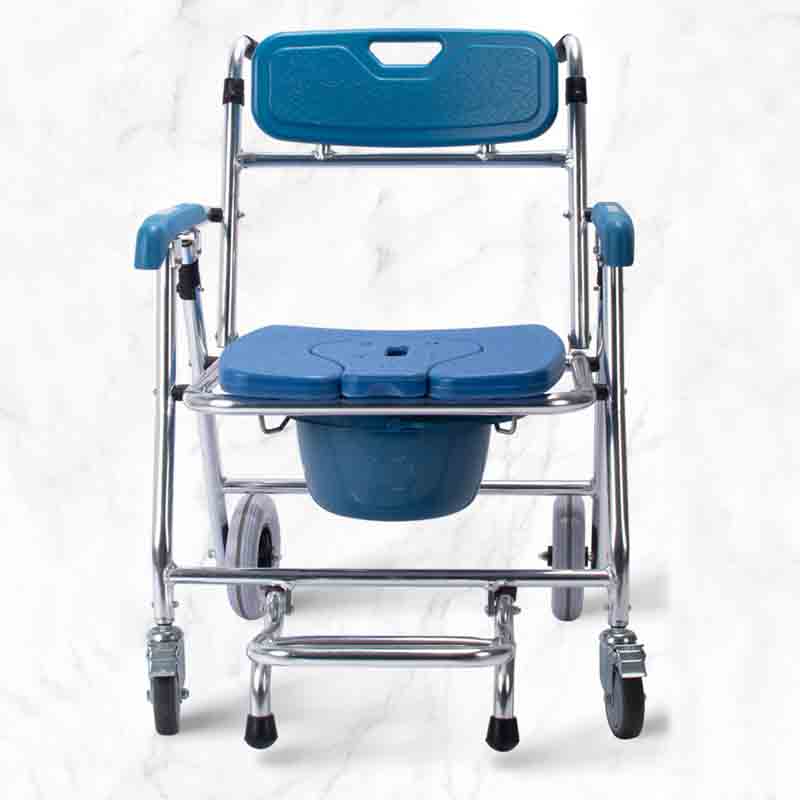
A commode chair is a portable toilet chair that typically consists of a frame with armrests, a seat with an opening, and a removable bucket or pan underneath. Many models can also be placed directly over a standard toilet to serve as a raised toilet seat or used in the shower as a shower commode. Whether you need a simple bedside solution or a versatile 3-in-1 design, Commode Toilet Chairs for Handicapped and Seniors are available in a wide range of configurations to suit different needs.
Key Benefits
Bedside convenience — No need to rush to the bathroom at night
Portable and lightweight — Easily moved between rooms or taken on trips
Versatile use — Can function as a toilet chair, raised toilet seat, or shower chair
Independence — Allows users to manage toileting with minimal assistance
Safety — Sturdy frame with armrests provides support when sitting and standing
Types of Commode Chairs
1. Standard Drop-Front Commode
The most common type. Features a removable bucket with a drop-front pail cover for easy emptying. Ideal for bedside or indoor use.
2. 3-in-1 Commode Chair
Versatile models that function as a bedside commode, raised toilet seat (placed over the toilet), and shower chair. A lightweight bedside commode shower chair is a great choice for those who need one device for multiple settings. Many models also work as a shower commode chair for over toilet, combining bathroom safety with toileting convenience.
3. Bariatric Commode Chair
Heavy-duty models designed for users weighing 350–700 lbs. These feature reinforced steel frames, wider seats (20–22 inches), and higher weight capacities.
4. Rolling Commode Chair
Includes locking casters for easy mobility. Ideal for users who need to be moved between rooms by a caregiver.
5. Reclining Commode Chair
Offers a reclining backrest for users who need extra positioning support. Often used in hospitals and long-term care facilities.
How to Choose the Right Commode Chair
Step 1: Measure the Seat Height
Seat height is critical for comfort and safety. The user should be able to sit with feet flat on the floor and knees at a 90-degree angle.
Standard height: 17–19 inches
Tall/Extra-tall: 20–25 inches (for taller users or post-surgery recovery)
Adjustable height: Most models offer 3–5 height settings
Step 2: Consider Weight Capacity
Check the weight limit of the frame. Standard commodes support 250–350 lbs. Bariatric models support up to 700 lbs.
Step 3: Choose the Right Seat Width
Narrow seats (16–17 inches) fit smaller users. Standard seats (18 inches) fit most users. Wide seats (20–22 inches) are ideal for larger users.
Step 4: Decide Between Stationary and Rolling
Stationary models are lighter and more stable. Rolling models offer easier repositioning but require locking casters for safety during use.
Step 5: Look for Easy-to-Clean Features
A removable bucket with a splash guard makes emptying easier. Pail covers help contain odors. Some models feature tool-free disassembly for thorough cleaning. A folding portable commode toilet chair is especially convenient for travel and easy storage.
Who Benefits Most from a Commode Chair?
Seniors with limited mobility — Safer than walking to the bathroom at night
Post-surgery patients — Essential after hip, knee, or abdominal surgery
Individuals with disabilities — Provides independence for toileting
Caregivers — Reduces physical strain when assisting with transfers
Travelers and campers — Portable option for trips where bathroom access is limited
A medical bedside commode shower chair offers the versatility that hospitals and home caregivers need — combining clinical durability with everyday comfort.
Maintenance Tips
Empty and clean the bucket daily with mild soap and water
Disinfect the frame, armrests, and seat regularly
Check rubber tips on legs for wear to prevent slipping
Tighten screws and bolts weekly
Replace the bucket if cracked or stained
Conclusion
A commode chair is a practical, dignity-preserving solution for anyone facing mobility challenges. By considering height, weight capacity, intended use, and ease of cleaning, you can find the perfect commode chair for your needs — whether at home, in a care facility, or on the go.
Read More
 English
 русский
 한국의
한국의







 IPv6 network supported


