 The Complete Guide to Portable Wheelchair Ramps: Choosing the Right Ramp for Home and Travel
Jun 18, 2026
The Complete Guide to Portable Wheelchair Ramps: Choosing the Right Ramp for Home and Travel
Finding the right portable wheelchair ramp can make a world of difference for individuals with limited mobility. Whether you need to access a home entrance, load a wheelchair into a vehicle, or navigate a public space, a well-chosen ramp provides independence, safety, and peace of mind.
In this guide, we will walk you through the key factors to consider when selecting a portable wheelchair ramp, including weight capacity, length, material, and design features.
Why Choose a Portable Wheelchair Ramp?
Unlike permanent installations, portable ramps for wheelchairs offer flexibility. They can be moved from one location to another, stored when not in use, and set up in seconds. This makes them ideal for:
Home use — Overcoming steps at entrances, doorways, and patios
Travel — Accessing RVs, vans, and temporary lodging
Public venues — Schools, offices, and community centers that need temporary accessibility solutions
Vehicle loading — Loading wheelchairs, scooters, or mobility devices into cars and vans
Key Factors to Consider
1. Weight Capacity
Always check the ramp's weight rating before purchasing. Choose a ramp that supports at least the combined weight of the wheelchair and its occupant. Most standard portable ramps support between 600 and 800 pounds.
2. Length and Slope
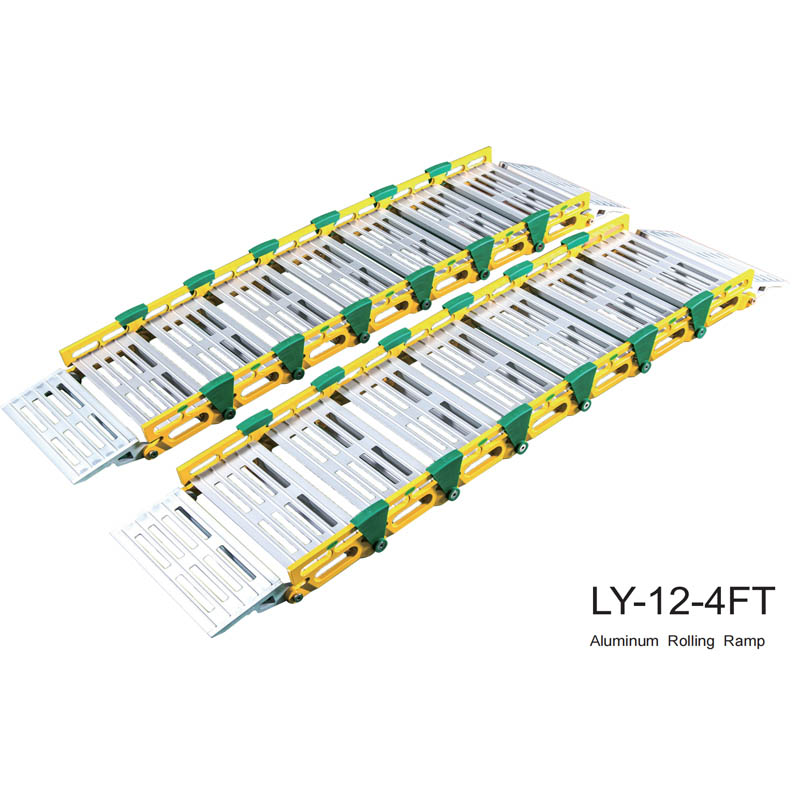
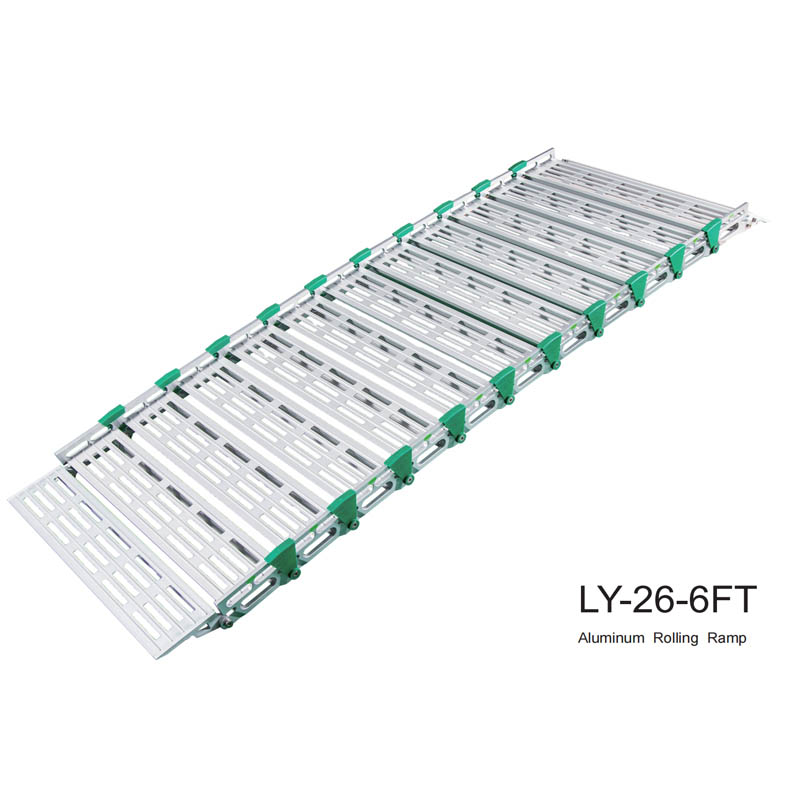
The ramp length determines how steep the incline will be. The standard recommended slope ratio is 1:12 (for every inch of rise, you need 12 inches of ramp length). For example, a 6-inch step requires a 6-foot ramp. A shallower slope (1:8 or 1:6) is acceptable for lighter-use situations.
To make this easier, measure the height of the step or threshold you need to overcome, then multiply by 12 to find the minimum ramp length in inches.
3. Material and Durability
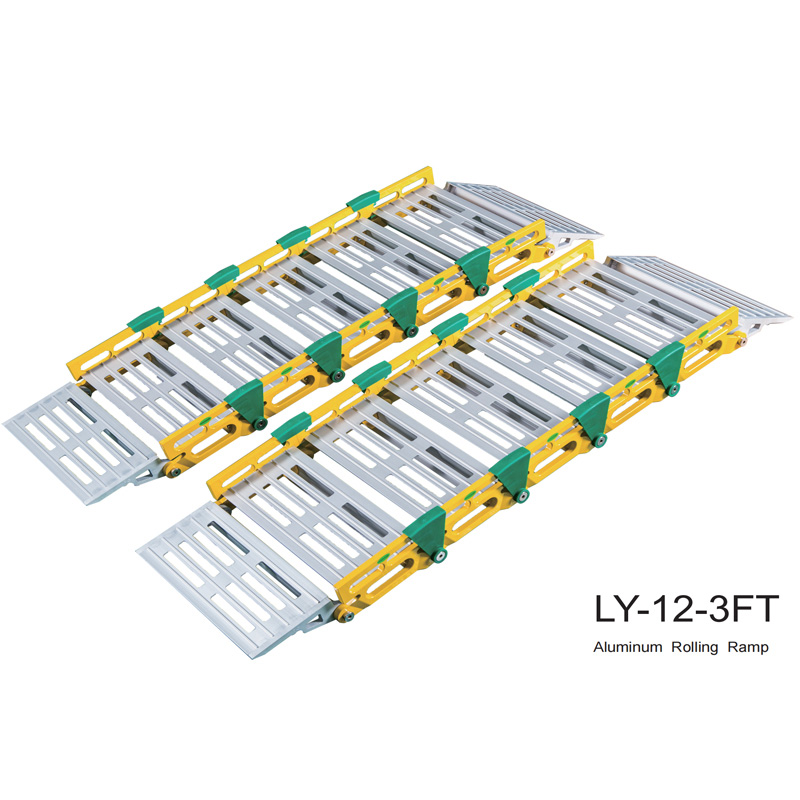
Aluminum is the most common material for portable ramps — and for good reason. It is lightweight, rust-resistant, strong, and easy to clean. Whether you choose a wheelchair aluminum ramp for house or a more compact design, aluminum provides long-lasting performance.
Look for ramps with a non-slip surface, such as raised ridges or grip tape, to ensure safe use in wet conditions.
4. Track Width
Portable ramps typically come in two styles:
Single-track ramps — Narrower and lighter, designed for manual wheelchairs.
Multi-fold ramps — Wider, providing a full-width platform for power wheelchairs and scooters.
5. Portability Features
Look for ramps with built-in carrying handles, telescoping designs, or folding mechanisms. A lightweight design (under 15–20 lbs) makes a huge difference if you need to carry the ramp regularly.
Top Applications for Portable Ramps
Home Entryways
A lightweight wheelchair ramp for house can solve accessibility challenges at front doors, garage entries, and sunken living rooms. These ramps are easy to position and remove as needed.
Vehicle Access
For van and SUV users, portable ramps allow quick loading and unloading of wheelchairs and scooters. Look for models with anti-slip surfaces and secure positioning features to prevent shifting during use.
Stairs and Curbs
Portable Wheelchair Ramps For Stairs are designed with a shorter, wider profile to bridge small curbs or single steps. They are often used in urban environments where full-length ramps are impractical.
Thresholds
For doorways with raised thresholds, a compact aluminum threshold ramp provides a smooth transition without requiring a full-size ramp. These are ideal for both interior and exterior doors.
Safety Tips
Check the ground surface — Always place the ramp on a stable, level surface.
Use the ramp with a spotter — Especially when first learning to use a new ramp.
Secure the ramp — Make sure the ramp ends rest firmly against both surfaces to prevent slipping.
Inspect regularly — Check for cracks, bends, or worn non-slip surfaces and replace if needed.
Follow the slope guidelines — A slope that is too steep is dangerous for both the user and the person assisting.
Conclusion
Investing in the right portable wheelchair ramp is a step toward greater independence and accessibility. By considering the weight capacity, length, material, and portability features, you can find a solution that fits your specific needs.
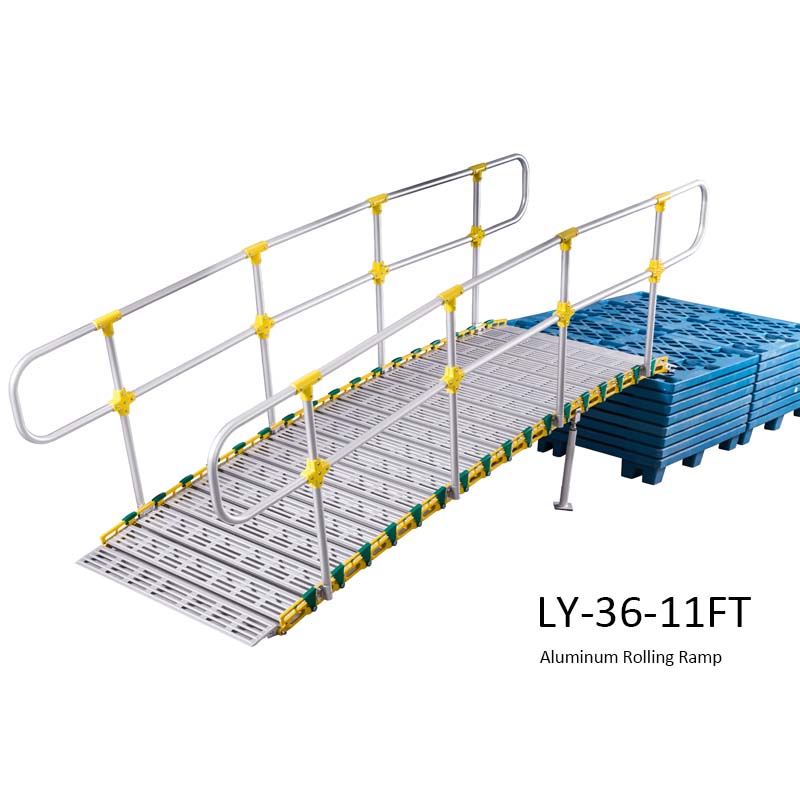
Whether you need a ramp for daily home use, travel, or temporary situations, choose a high-quality Residential Wheelchair Ramp that meets safety standards and gives you confidence every time you use it.
Read More
 English
 русский
 한국의
한국의




 IPv6 network supported


